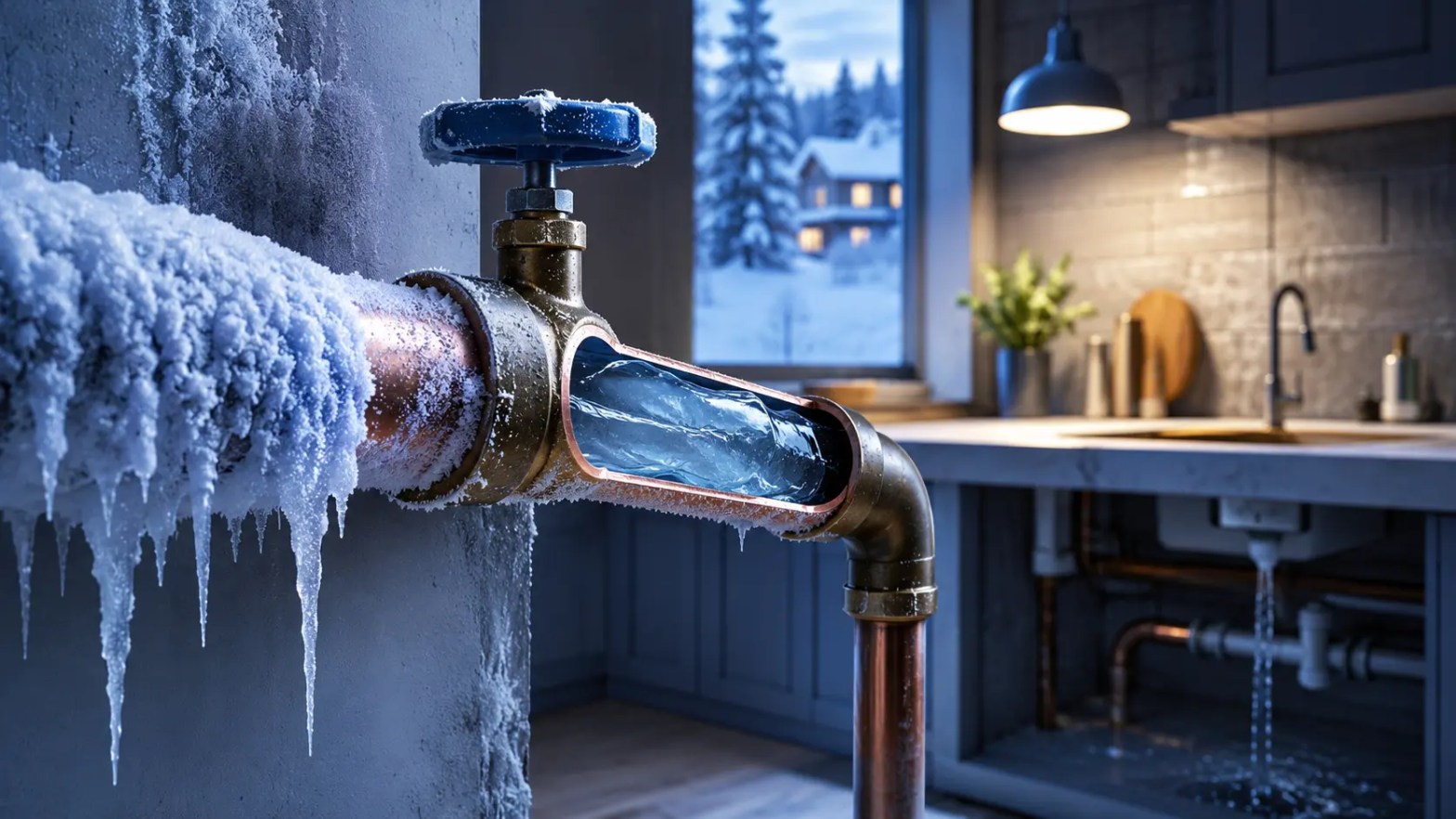
Cold Weather creates many plumbing problems across Canada every year. Freezing temperatures place extra pressure on Plumbing Fixtures, water pipes, and drainage systems. Homes, apartments, and commercial buildings all face this seasonal challenge. A small plumbing issue can become a major repair if property owners ignore the early warning signs.
Water expands when it freezes. This expansion creates pressure inside pipes and connected Plumbing Fixtures. The pressure can crack pipes, damage faucets, weaken valves, and reduce the life of plumbing systems. Cold air can also slow water flow and affect normal daily use.
Property owners who understand these risks can reduce damage and repair costs. Regular maintenance, proper insulation, and simple preventive steps help Plumbing Fixtures perform better throughout the winter season. This guide explains how Cold Weather affects Plumbing Fixtures in Canada and how to keep them in good condition.
Why Cold Weather Creates Plumbing Problems in Canada
Canada experiences long winters with temperatures that often fall below freezing. Water supply lines, outdoor plumbing, and poorly insulated areas face the highest risk during this period.
As temperatures drop, water inside pipes begins to freeze. Frozen water expands and creates pressure inside the pipe walls. The pressure may damage nearby plumbing fixtures even before a pipe bursts. Homeowners often rely on practical maintenance advice and trusted local resources, such as DuPont Plumbing, to better understand how freezing temperatures affect residential plumbing systems and how to reduce the risk of costly repairs. Once the ice melts, cracked pipes may leak and cause water damage inside walls, floors, and ceilings.
Cold weather also causes plumbing materials to contract. Repeated freezing and thawing place extra stress on joints, seals, and connections. Over several winters, these small changes reduce the lifespan of many plumbing components, making regular inspections and preventive maintenance an important part of protecting a home’s plumbing system.
How Freezing Temperatures Affect Plumbing Fixtures
Plumbing Fixtures depend on a steady water supply. Cold Weather interrupts this flow and creates several problems that affect daily use.
Frozen pipes reduce or completely stop water movement. Faucets may produce only a small amount of water or no water at all. Toilets may refill slowly because the water supply line cannot deliver enough water. Shower valves may also lose pressure during freezing conditions.
Metal fixtures become extremely cold during winter. Rubber seals and plastic parts inside these fixtures can become stiff or brittle. This change increases the chance of leaks once temperatures rise again.
Small leaks may appear around faucet bases, shut-off valves, or supply lines after frozen sections thaw. These leaks often begin slowly but can become larger if repairs are delayed.
Common Plumbing Fixtures That Face Winter Damage
Faucets
Outdoor faucets face direct exposure to Cold Weather. Water left inside an outdoor faucet can freeze and expand. This pressure may damage the faucet body or the pipe behind the wall.
Indoor faucets located near outside walls also face freezing risks if insulation is poor. Reduced water flow often signals that ice has started forming inside the supply line.
Toilets
Toilets usually remain safe inside heated homes, but they can still experience winter problems. Supply lines may freeze if the bathroom temperature drops too low. Low water pressure also affects the flushing process.
Homes that remain empty during winter face a greater risk because indoor heating may not protect the plumbing system.
Showers and Bathtubs
Shower valves and bathtub faucets depend on stable water pressure. Frozen supply lines reduce water flow and create uneven temperatures. Ice inside hidden pipes may also damage valve connections.
Bathrooms located above garages or near exterior walls often experience these issues first.
Kitchen Sinks
Kitchen Plumbing Fixtures receive frequent use during winter. Frozen pipes under sinks placed against outside walls can slow water flow. Homeowners may also notice unusual sounds as water moves through partially frozen pipes.
Cabinets with poor airflow often become colder than the rest of the room, increasing the chance of freezing.
Frozen Pipes and Their Effect on Plumbing Fixtures
Frozen pipes create one of the biggest plumbing risks in Canada. Ice blocks the normal water path and places heavy pressure on connected Plumbing Fixtures.
When someone opens a faucet connected to a frozen pipe, little or no water comes out. This symptom often indicates that freezing has already started inside the plumbing system.
The greatest danger appears when frozen water expands inside a closed pipe. The pressure may split the pipe without any visible sign. Once warmer temperatures return, water escapes through the damaged area and can flood the property.
Even if the pipe does not burst, repeated freezing weakens plumbing connections and shortens the service life of nearby fixtures.
Signs That Cold Weather Has Damaged Plumbing Fixtures
Cold Weather often produces warning signs before major plumbing damage occurs. Property owners should watch for these changes during winter.
Low water pressure usually appears first. Slow water flow from a faucet may indicate partial freezing inside the supply line.
Water stains under sinks or around fixture connections may signal a hidden leak caused by freezing pressure.
Cracks in faucet bodies, dripping fixtures, unusual pipe noises, and slow toilet refilling also suggest winter-related plumbing problems.
Some homeowners notice higher water bills after winter because small leaks continue without immediate detection.
How to Protect Plumbing Fixtures During Cold Weather
Preparation remains the best way to reduce winter plumbing damage in Canada.
Keep indoor temperatures stable throughout the winter season. Even when leaving home for several days, avoid turning the heating system off completely. Warm indoor air helps prevent pipes from freezing.
Insulate exposed pipes in basements, crawl spaces, garages, and utility rooms. Pipe insulation reduces heat loss and protects water lines from freezing temperatures.
Disconnect garden hoses before winter begins. Shut off the outdoor water supply if possible, then drain outdoor faucets to remove trapped water.
Open cabinet doors below kitchen and bathroom sinks during extremely cold nights. This step allows warm indoor air to reach hidden pipes.
Allow a small stream of water to flow from faucets during severe Cold Weather. Moving water freezes more slowly than standing water.
The Importance of Regular Plumbing Inspections
Routine inspections help identify problems before they become expensive repairs. A qualified plumber can check Plumbing Fixtures, valves, supply lines, and exposed pipes for signs of wear.
Early repairs reduce the chance of emergency plumbing failures during winter. Small cracks, loose fittings, and aging seals become easier and less expensive to fix before freezing temperatures create additional stress.
Annual inspections also help homeowners plan future maintenance and replace older fixtures before they fail.
Energy Efficiency and Plumbing Fixtures in Winter
Cold Weather often increases household energy use across Canada. Efficient Plumbing Fixtures help reduce unnecessary water waste and heating costs.
A leaking hot water faucet forces the water heater to work harder. Repairing leaks saves both water and energy.
Insulated hot water pipes also reduce heat loss between the water heater and the fixture. As a result, hot water reaches sinks and showers faster while using less energy.
Modern Plumbing Fixtures also improve water control and reduce waste during daily use. Replacing worn fixtures with newer models may lower maintenance costs over time.
Special Considerations for Vacation Homes
Many vacation properties in Canada remain empty during winter. These buildings face a greater risk because heating systems may run at lower temperatures.
Owners should drain plumbing systems if the property will remain vacant for an extended period. Shutting off the main water supply also reduces the chance of flooding if a pipe bursts.
Regular property checks during winter help identify problems before serious damage occurs. Smart temperature monitoring devices also provide extra protection by warning owners if indoor temperatures fall too low.
When to Call a Professional Plumber
Some plumbing problems require immediate professional attention. A completely frozen pipe, burst water line, or major leak should receive prompt service.
Property owners should also contact a plumber if they notice repeated freezing, unusual pipe noises, cracked Plumbing Fixtures, or sudden water pressure loss.
Professional repairs help prevent further damage and restore the plumbing system safely. Attempting major repairs without proper knowledge may increase repair costs and create additional problems.
Conclusion
Cold Weather creates serious challenges for Plumbing Fixtures across Canada. Freezing temperatures, expanding ice, and changing weather conditions place constant pressure on plumbing systems during winter. Small problems can quickly become costly repairs if they remain unnoticed.
Regular inspections, proper insulation, steady indoor heating, and early maintenance help protect Plumbing Fixtures from seasonal damage. Property owners who prepare before winter arrives reduce the risk of frozen pipes, leaks, and expensive water damage.
Understanding how Cold Weather affects Plumbing Fixtures allows homeowners to make better maintenance decisions. Simple preventive actions keep plumbing systems working safely and efficiently throughout every Canadian winter.

