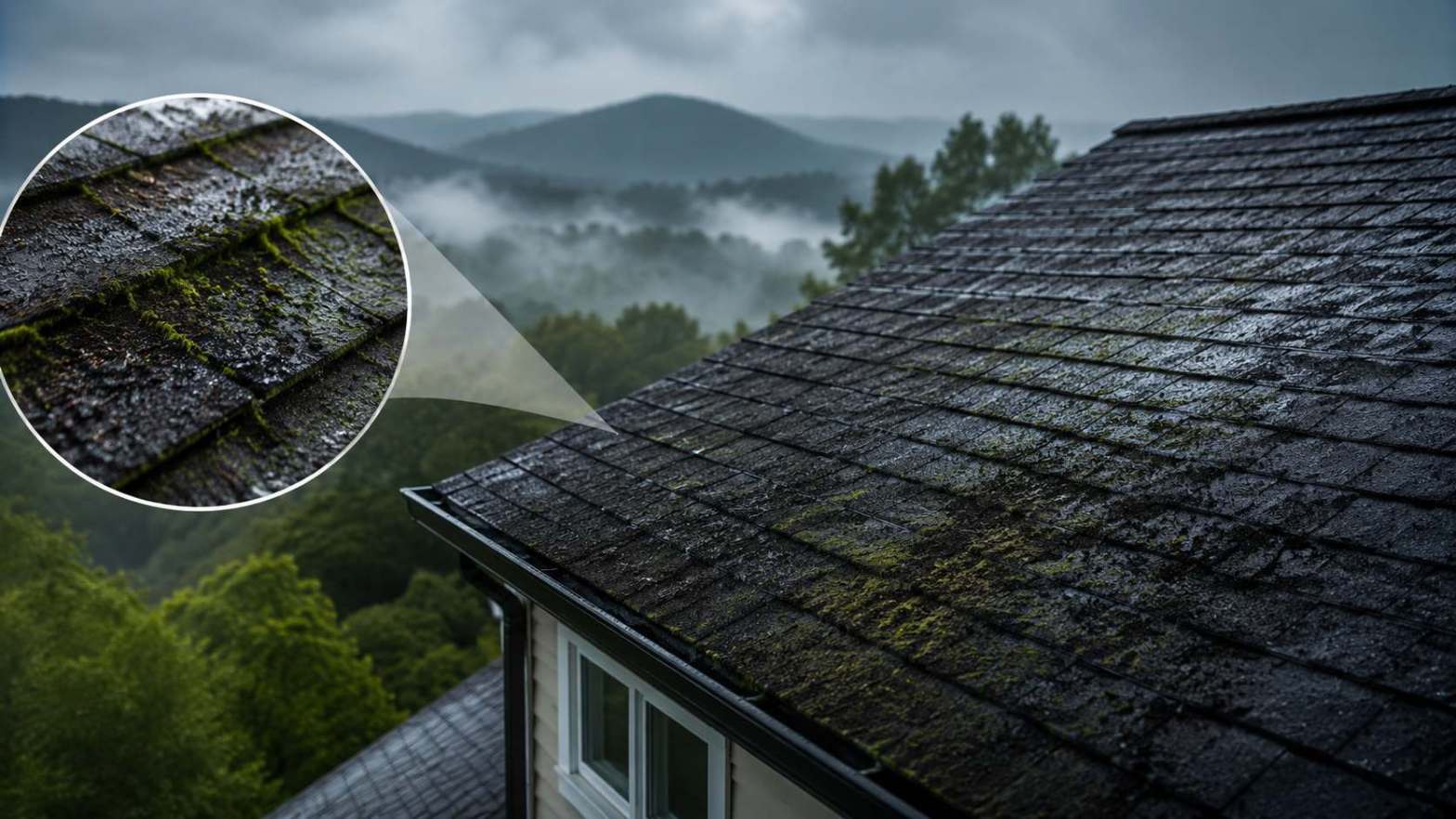
Roof health depends on many factors, and local weather plays a major role. In Greeneville, humidity affects roofs throughout the year. Many homeowners focus on storms, wind, and rain, but humidity can cause damage even when the weather seems calm. Moisture in the air can slowly affect roofing materials and reduce their lifespan.
Greeneville experiences humid conditions during many months of the year. This constant moisture exposure can create problems that develop over time. Homeowners who understand these effects can take steps to protect their roofs and avoid expensive roof repair work in the future.
Understanding Humidity in Greeneville
Humidity refers to the amount of moisture present in the air. Greeneville often experiences moderate to high humidity levels due to its climate. Warm temperatures combined with moisture create conditions that affect many parts of a home, including the roof.
Roofing materials remain exposed to outdoor conditions every day. When humidity stays high for long periods, moisture can collect on roof surfaces and inside roofing structures. This process may seem minor at first, but the effects become more noticeable over time.
Roof health depends on keeping roofing materials dry and stable. Excess moisture can weaken materials and create an environment where other roofing issues develop.
How Humidity Affects Roofing Materials
Different roofing materials react differently to moisture. However, almost every roofing system faces some risk when humidity levels remain high.
Asphalt shingles can absorb small amounts of moisture over time. This moisture can contribute to faster aging and wear. Wood roofing materials may expand when exposed to moisture and contract when conditions become dry. Repeated expansion and contraction can weaken the structure of the roof.
Metal roofs resist moisture better than some materials, but they can still experience condensation problems. Moisture buildup beneath metal panels may affect supporting structures if proper ventilation is not present.
The long-term exposure to humid conditions in Greeneville makes regular roof inspections important for maintaining roof health.
Moisture Buildup and Roof Health
Moisture buildup is one of the biggest threats to roof health. Humid air contains water vapor that can settle on roofing surfaces. During temperature changes, this vapor may turn into liquid water.
When moisture remains trapped, roofing materials stay damp for longer periods. Wet materials often deteriorate faster than dry materials. This process can affect shingles, underlayment, roof decking, and other important components.
Small amounts of moisture may not cause immediate damage. However, continuous exposure can create conditions that lead to larger roofing problems. Homeowners who address moisture issues early can often avoid major roof repair expenses.
Condensation Inside the Roof System
Condensation occurs when warm, humid air meets a cooler surface. This process commonly happens in attics and roof cavities.
During humid weather, moisture-rich air can enter the attic space. When this air contacts cooler surfaces, water droplets form. These droplets can collect on wooden structures, insulation, and roof decking.
Over time, condensation may weaken structural materials. It can also reduce insulation performance and increase the risk of mold growth. Proper attic ventilation helps reduce condensation and supports better roof health.
Mold, Mildew, and Algae Growth
Humidity creates favorable conditions for mold, mildew, and algae growth. These organisms thrive in damp environments and often appear on roofing surfaces.
Algae commonly appear as dark streaks across roof shingles. While algae may seem like a cosmetic issue, it can affect the appearance of the roof and reduce curb appeal. Moisture retention caused by algae growth can also contribute to material deterioration.
Mold and mildew can create more serious concerns. They may spread into roofing structures and attic spaces. Their presence often indicates excessive moisture within the roofing system.
Maintaining roof health requires addressing moisture sources before mold and mildew become widespread problems.
The Impact of Biological Growth on Roofing Materials
Biological growth can shorten the lifespan of roofing materials. Algae and mildew may trap moisture against the roof surface. This constant exposure increases wear and can weaken protective layers.
Some roofing materials become more vulnerable to cracking, curling, or deterioration when biological growth remains untreated. Regular roof cleaning and inspections help reduce these risks and support long-term roof health.
Humidity and Wood Roof Components
Many roofing systems contain wooden components, even if the visible roof material is not wood. Roof decking, rafters, and support structures often rely on wood for strength and stability.
Wood absorbs moisture from the surrounding environment. High humidity levels in Greeneville can cause wood to swell. When humidity decreases, the wood may shrink.
Repeated changes in size place stress on the material. Over time, this process can lead to warping, cracking, or weakening. Damaged wood components often require roof repair to restore structural integrity.
Protecting wood from excessive moisture remains an important part of preserving roof health.
The Role of Ventilation in Roof Health
Ventilation helps control moisture levels inside the roofing system. A properly ventilated roof allows humid air to escape before it causes damage.
Attic ventilation systems create airflow that reduces heat and moisture buildup. Fresh air enters through intake vents and exits through exhaust vents. This movement helps maintain balanced conditions within the attic.
Without proper ventilation, humid air becomes trapped. Trapped moisture increases the risk of condensation, mold growth, and material deterioration.
Many roof repair projects in Greeneville involve correcting ventilation issues because proper airflow plays a major role in maintaining roof health.
Signs of Poor Roof Ventilation
Homeowners should watch for signs that ventilation may be inadequate. Common indicators include excessive attic heat, visible condensation, mold growth, and musty odors.
Peeling paint near roof edges may also suggest moisture problems. Higher energy bills can sometimes indicate poor attic airflow as well.
Addressing ventilation concerns early helps protect roofing materials and supports better roof health over the long term.
Seasonal Humidity Changes in Greeneville
Humidity levels in Greeneville change throughout the year. Summer often brings higher humidity levels, while cooler seasons may still create moisture-related challenges.
During summer, warm air holds more moisture, leaving roofing systems exposed to humid conditions for extended periods. During cooler months, temperature differences between indoor and outdoor environments can increase condensation risks. These moisture fluctuations can affect roofing materials, attic ventilation, and overall roof durability, making regular inspections an important part of long-term roof care. Many homeowners rely on trusted local resources such as Covenant Roofing and Restoration to better understand how seasonal moisture impacts roofing performance and maintenance needs.
These seasonal changes place continuous stress on roofing materials. Regular maintenance helps roofs adapt to changing conditions and maintain good performance throughout the year.
Understanding local weather patterns allows homeowners to make informed decisions about roof care and maintenance.
Preventive Steps to Protect Roof Health
Preventive maintenance remains one of the most effective ways to protect roof health in Greeneville. Regular inspections help identify moisture-related issues before they become severe.
Homeowners should keep gutters clean so water can drain properly. Blocked gutters may increase moisture exposure along roof edges. Trimming nearby tree branches also improves airflow and reduces moisture retention.
Professional roof inspections can identify hidden problems such as trapped moisture, damaged flashing, or ventilation issues. Early detection often reduces the need for extensive roof repair work.
Maintaining attic ventilation and insulation also helps control humidity levels inside the roofing system.
When Roof Repair Becomes Necessary
Even with proper maintenance, some roofs eventually require repair. Humidity-related damage may appear as curling shingles, soft roof decking, leaks, or visible mold growth.
Ignoring these signs can allow damage to spread. Small issues often become larger and more expensive when left untreated. Timely roof repair helps restore the roof’s protective function and prevents further deterioration.
Professional roofing contractors can assess the condition of the roof and recommend appropriate solutions based on the extent of the damage.
Homeowners in Greeneville should schedule inspections whenever they notice signs of moisture-related problems.
Conclusion
Humidity has a direct impact on roof health in Greeneville. Constant exposure to moisture can affect roofing materials, encourage mold growth, create condensation, and weaken structural components. These issues often develop gradually, making regular inspections and maintenance essential.
Proper ventilation, moisture control, and timely roof repair help reduce the effects of humidity and extend the life of a roof. Homeowners who understand how local weather influences their roofing system can take practical steps to protect their investment.
By focusing on preventive care and addressing moisture problems early, homeowners in Greeneville can maintain strong roof health and avoid many common roofing issues.

