How Experiential Marketing Builds Stronger Brand Loyalty

Experiential marketing gives people direct contact with a brand through real-life or digital interactions. This approach helps people feel more connected, which increases trust and repeat engagement. Clear communication and simple activity design help the audience understand the message quickly. This strategy also supports long-term brand loyalty because people remember moments more than standard promotions.

What Experiential Marketing Means

Experiential marketing focuses on actions that let people try, feel, or engage with a product or service in real time. People form stronger memories when they participate in an activity rather than observe a message. The brand delivers a simple and clear experience that reflects its values. This process helps people build emotional links based on real involvement rather than passive exposure.

Why Experiences Matter More Than Traditional Messages

People absorb practical actions far more quickly than written or visual messages because real situations present benefits in an immediate and uncomplicated way. When individuals take part in an activity, they can judge its value without relying on assumptions. This clarity makes the interaction more meaningful and helps the audience understand why the brand matters. Within this wider approach, brand experience marketing plays an important role, as it uses direct engagement to demonstrate usefulness and relevance in a memorable manner.

These experiences also place people at the centre of the action, which naturally deepens their sense of involvement. When someone feels included and valued, the connection becomes stronger and more personal. This emotional link often stays with them long after the moment has passed. As a result, the memory feels authentic, increasing the likelihood of future loyalty and encouraging individuals to return with a positive perception of the brand.

How Human Behaviour Supports This Strategy

People trust what they see and feel. A simple and well-structured activity helps the audience understand the purpose without pressure. This method uses natural behaviour rather than persuasion. Clear steps guide the person through the action. This approach encourages honest reactions, which makes the feedback more accurate and the impact stronger.

The Link Between Experiential Marketing and Brand Loyalty

Brand loyalty grows when people feel confident and satisfied. Experiential marketing strengthens these conditions. A real-time interaction gives people a chance to judge quality. This direct evidence builds belief. When a brand repeats this standard across multiple experiences, trust increases further.

Emotional Links Drive Long-Term Loyalty

Emotions support memory. Positive feelings help people remember the brand faster and more often. When a person connects a brand with a helpful or enjoyable moment, the relationship becomes stronger. This bond encourages repeat actions such as future purchases, recommendations, and engagement with new campaigns.

Consistency Across Experiences Builds Trust

People expect a brand to maintain a stable message. Experiential marketing allows a brand to show this consistency through action. Repeating a clear message across different experiences builds a stable identity. This reliability supports long-term loyalty because it reduces confusion and encourages confidence.

Key Elements That Make Experiential Marketing Effective

A successful experiential campaign uses clear steps that guide the user from start to finish. Each element must support the goal without extra details. Simple design, direct cues, and a natural flow help the audience understand the message.

Clear Objectives Improve Focus

A brand must define a direct objective before building an experience. This objective explains what the audience should feel, learn, or understand. A precise objective improves planning and keeps the experience focused. This clarity prevents mixed messages and improves impact.

Simple and Direct Activities Keep People Engaged

People prefer easy-to-follow actions. If an activity has clear steps, participants stay engaged. Short tasks help maintain attention and reduce confusion. The simpler the activity, the easier it is for the participant to understand the value.

Real-Life or Digital Platforms Can Both Work

Experiential marketing can take place in physical settings or digital spaces. Physical events allow people to touch and feel the product. Digital events help reach larger audiences. Both options support brand loyalty when they deliver a clear and memorable experience.

How Experiential Marketing Builds Customer Trust

Trust forms when people see real proof. Experiential marketing gives the brand a chance to demonstrate quality without explanation. A real-time activity shows performance, safety, comfort, or value directly. This honest approach makes people feel more secure.

Transparency Increases Confidence

A brand that allows people to test products shows confidence in its standards. This transparency removes doubt. People trust what they can check on their own. When the audience sees the benefits clearly, trust becomes stronger.

Real Feedback Helps Brands Improve

Experiential activities create natural feedback. People share honest opinions when they are involved in a direct action. This feedback helps the brand improve its services. When the brand adjusts based on true reactions, the audience feels valued. Feeling valued encourages loyalty.

Practical Examples of Experiential Marketing That Boost Brand Loyalty

Several common activities show how brands use experiential marketing successfully. These examples highlight simple actions that deliver strong results.

Product Trials in Public Spaces

Brands often give people free trials in safe public spaces. People test the product on the spot. This simple action gives them real evidence of quality. If the product meets expectations, loyalty grows naturally.

Interactive Installations at Events

Some brands build small installations that allow people to participate in a fun or useful activity. These installations attract attention and create memorable moments. The experience helps the audience form a strong link between the activity and the brand.

Digital Interactive Experiences

Brands can offer interactive online tools, virtual demos, or live digital workshops. These experiences reach people who prefer digital spaces. Simple navigation and clear messaging help people learn the benefits quickly. This leads to higher engagement and stronger loyalty.

How Brands Can Start Using Experiential Marketing

A brand can begin with small and simple actions. The goal is to keep each step clear and measurable. The experience should support the brand message and reflect its identity.

Identify What the Audience Values Most

A brand must study what the audience needs and what problems they want solved. This understanding helps create an experience that feels relevant. A relevant experience increases interest and raises loyalty.

Build an Activity That Demonstrates Real Value

The activity must show the product or service in action. People should see real value immediately. This increases belief in the brand. A clear demonstration removes doubt and encourages trust.

Keep the Message Consistent Across All Channels

The experience must match the brand message across social platforms, websites, and offline spaces. Consistency avoids confusion and strengthens loyalty. People trust brands with stable communication.

The Long-Term Impact on Brand Loyalty

Experiential marketing supports long-term growth. A strong experience can change how people view a brand permanently. This impact goes beyond a single event.

Repeat Engagement Strengthens the Bond

When people enjoy an experience, they are more likely to join future events. Each new experience adds another positive layer. This repeated contact strengthens loyalty.

Strong Memories Improve Future Response Rates

People remember actions longer than standard ads. When a brand creates a positive memory, people respond faster to future campaigns. This memory support leads to higher sales, stronger trust, and better retention.

Conclusion

Experiential marketing helps brands build strong and lasting loyalty through clear, direct, and practical experiences. People trust what they can see, feel, or try. Simple and well-structured activities help the audience understand value quickly. This approach builds emotional links, strengthens trust, and encourages repeat engagement. Experiential marketing remains one of the most effective ways to create long-term brand loyalty because it focuses on real involvement, honest communication, and memorable moments.


What Students Should Know Before Starting Event Work

Event work can give students steady income, new skills, and strong confidence. Many students choose event staff roles because these roles offer flexible shifts and active tasks. This guide explains the main points students should understand before they enter event work. Each section uses clear language and a simple structure to support easy reading and NLP-friendly processing.

Understanding Event Work

Event work covers duties that support functions, shows, conferences, festivals, sports events, and corporate gatherings. Event staff help manage guests, control entry, guide visitors, arrange seating, and support basic site tasks. Students should know that event work runs on clear instructions and active duties. It suits people who enjoy movement and direct contact with guests.

Why Students Choose Event Staff Roles

Students often choose event staff roles because these jobs offer short shifts, weekend work, and evening schedules that fit neatly around academic commitments. These flexible hours allow them to balance study demands without feeling overwhelmed. At Brightsparks, this practical approach to student-friendly work is understood well, which is why roles are matched with the needs of young people who prefer adaptable and manageable schedules. This connection between work patterns and study routines helps students stay consistent with both their education and part-time responsibilities.

Event work also exposes students to a wide range of people and different working environments. This variety helps them learn how to communicate clearly, stay organised during busy events, and collaborate with teams under pressure. Such experience strengthens their confidence and builds problem-solving habits that benefit them in future roles. Over time, these skills become valuable stepping stones for careers, making event staffing a popular and rewarding choice for many students.

The Main Tasks in Event Work

Students should understand core tasks before they start.

Guest Management

Guest management means greeting visitors, checking entry passes, offering directions, and answering simple questions. Students must speak clearly, stay calm, and keep a friendly tone. Guest management is one of the most common roles for new event staff.

Crowd Control Support

Some events bring large crowds. Event staff may help guide lines, keep walking routes clear, and pass updates to supervisors. Clear communication helps reduce confusion or pressure in busy areas.

Setup and Pack-Down

Setup tasks may include arranging chairs, placing signs, preparing tables, or setting entry stations. Pack-down tasks involve removing signs, lifting items, sorting materials, or cleaning areas. These jobs require steady focus and safe handling of equipment.

Information Support

Many events have information desks. Students may provide basic event details, show maps, and help guests find their seats or sections. This role fits people who enjoy direct communication.

Skills Students Should Build Before Joining Event Staff Teams

Clear Communication

Event work depends on clear instructions. Students should practise simple, direct speech. Short sentences reduce errors. Polite language builds trust with guests.

Teamwork

Event staff roles require strong teamwork. Students must follow supervisors, support colleagues, and pass information quickly. Smooth teamwork helps the whole event run well.

Time Management

Events follow tight schedules. Students should arrive early, prepare their area, and stay ready for sudden changes. Good time habits help event organisers maintain flow.

Physical Readiness

Many event shifts involve walking, standing, lifting, or guiding guests. Students should prepare for physical tasks. Comfortable shoes, proper rest, and steady pace help maintain energy.

Problem-Solving

Students may face sudden questions, changes in lines, or unexpected delays. Good event staff stay calm, think fast, and give simple solutions.

What Students Should Expect on Their First Event Shift

A Structured Briefing

Most events start with a briefing. Supervisors give instructions, explain duties, and outline safety rules. Students should listen carefully and note key points.

Uniform or Dress Code

Event staff often follow a set dress code such as black trousers, plain shirts, or event-provided shirts. Students should check the dress code in advance.

A Busy Environment

Events can feel fast and loud. Students should stay focused on instructions and avoid distractions. Busy environments teach students how to stay calm and steady.

Support from Supervisors

Supervisors guide new staff. Students can ask for help if they feel unsure. Event work is team-based, so support is always available.

Safety Rules Students Must Know

Emergency Procedures

Students should learn emergency exits, first aid points, and contact persons. Good awareness helps protect guests and staff.

Safe Handling of Equipment

Some tasks require lifting, carrying, or placing items. Students should use safe techniques to avoid injuries.

Clear Pathways

Event staff must keep walkways and exits clear at all times. Clear pathways support flow and safety.

How Students Can Prepare Before Applying for Event Work

Build a Simple CV

Students should create a short CV. It should highlight communication ability, teamwork, time management, and any past service experience.

Learn Basic Customer Service

Simple customer service skills help with guest interaction. These include greeting guests politely, listening carefully, and answering with clarity.

Practise Standing and Walking for Long Durations

Since event staff remain on their feet for long hours, students should practise steady pacing.

Research Common Event Sites

Students can explore common venues used for concerts, conferences, or festivals. This gives a basic understanding of typical layouts.

Advantages of Event Work for Students

Flexible Schedules

Most event staff shifts suit the study routine. Students can work weekends or evenings.

Income Support

Event work gives students a steady source of income without long-term commitments.

Skill Growth

Students gain communication skills, teamwork habits, confidence, time discipline, and guest service experience.

Exposure to Many Industries

Events happen in sports, fashion, business, entertainment, and education. Students gain valuable insight into many fields.

Challenges Students Should Understand

Long Hours

Events may require long shifts. Students should keep good energy through rest, hydration, and proper meals.

Standing for Extended Periods

Standing for many hours can feel tiring. Students should wear comfortable shoes.

Sudden Changes

Plans can change quickly. Event staff must stay flexible and follow new instructions.

Handling Difficult Guests

Sometimes guests feel impatient or confused. Students should stay calm, use clear language, and ask supervisors for help when needed.

Tips for Students to Succeed in Event Staff Roles

Stay Polite

Polite speech creates a positive experience for guests.

Follow Instructions

Event work depends on clear direction. Students should listen carefully and follow instructions fully.

Keep a Professional Attitude

A steady and helpful attitude builds trust with guests and supervisors.

Report Issues Early

If a problem appears, students should report it at once. Quick action helps keep the event running smoothly.

Maintain Personal Presentation

Clean clothing, neat appearance, and confident posture support professional standards.

How to Build Long-Term Value from Event Work

Many students use event work as a start. With steady performance, students can step into higher event roles such as supervisor, team leader, or coordinator. These roles offer more responsibility and stronger pay. Students who show good behaviour, strong work ethic, and fast learning often gain long-term opportunities.

Conclusion

Event work gives students a clear chance to earn income, gain skills, and build confidence. Event staff roles support large gatherings, so students must prepare for busy tasks, active environments, and steady communication. With good preparation, students can develop strong teamwork habits, improve time discipline, and understand guest service more deeply. Event work also helps students grow in real-life situations, making it a strong option for students who seek practical experience and flexible schedules.

How Adhesive Printing Helps Maintain Label Durability

Adhesive printing plays a key role in label durability. Businesses depend on clear and stable labels for products, shipping, storage, and safety use. A strong label helps people read key information without damage or fading. This article explains how adhesive printing supports long-term label durability and why it matters for daily business use. The goal is to present clear, direct, and simple information that helps readers understand how both terms connect with each other.

What Label Durability Means

Label durability means a label stays secure, readable, and undamaged under normal and harsh conditions. A durable label does not peel off, fade, tear, smear, or lose color. A durable label keeps its print quality even if it faces pressure, moisture, sunlight, or temperature changes.

Strong label durability helps a product keep its identity from the time it is packed to the time it reaches the customer. It also supports safety, compliance, and accurate tracking.

Why Adhesive Printing Matters

Adhesive printing plays a major role in label durability because it helps the material bond tightly to different surfaces. When a label has a strong adhesive foundation, it stays fixed in place and does not shift, peel, or weaken over time. Brands such as Libra Labels, a leading supplier and manufacturer of self-adhesive labels in South Africa, often highlight how controlled adhesive application directly improves long-term performance. This type of precise bonding allows a label to stay clear, readable, and dependable even in demanding conditions.

In addition to stronger hold, adhesive printing uses a well-managed process that applies the correct adhesive layer along with the proper printing method. This balance ensures the label remains visually sharp while maintaining surface stability. By combining accurate adhesive control with high-quality printing techniques, the overall label structure becomes more resistant to wear, moisture, and extended use. This approach helps businesses achieve consistent labeling results that support both product presentation and long-term usability.

Types of Adhesives Used in Adhesive Printing

Pressure-Sensitive Adhesives

Pressure-sensitive adhesives stick to a surface with simple pressure. These are common in product labels, barcode labels, and packaging labels. They support label durability because they bond smoothly without heat, water, or other steps.

Hot Melt Adhesives

Hot melt adhesives use heat during application. They set quickly once cooled and provide strong grip. These adhesives work well for heavy-duty labels that need long-term stability or exposure to outdoor conditions.

Water-Based Adhesives

Water-based adhesives use water as the main carrier. They provide clean application, stable bonding, and good surface coverage. They help maintain label durability where long-term indoor use is needed.

How Adhesive Printing Supports Strong Bonding

Adhesive printing helps create a secure bond between the label and its surface. A label only performs well when it stays fixed and does not peel or crack. The adhesive printing process applies the right amount of adhesive so the label bonds evenly. This prevents weak spots that may cause peeling.

The Role of Surface Compatibility

Surface type affects label durability. Adhesive printing tests how the adhesive reacts to glass, plastic, metal, paper, or fabric. A label sticks longer when adhesive and surface match well.
For example:

  • Smooth plastic may need a strong pressure-sensitive adhesive.
  • Rough cardboard may need hot melt adhesive for firm grip.
    Proper surface compatibility improves the life of the label.

How Adhesive Printing Protects Print Quality

Adhesive printing supports print clarity by keeping the label flat and secure. When a label does not shift or wrinkle, the printed text and graphics stay readable. This helps labels retain product details, safety instructions, barcodes, or QR codes.
A strong adhesive also prevents ink smearing caused by friction or movement.

Adhesive Strength and Environmental Resistance

Moisture Resistance

Moisture can weaken labels. Adhesive printing uses adhesives that resist water so the label stays durable in kitchens, warehouses, refrigerators, and outdoor areas.

Temperature Resistance

Warm or cold temperatures can loosen weak adhesives. Labels with proper adhesive printing stay stable in deep freezers, warm storage areas, or during transport across climate zones.

Chemical Resistance

Some labels face cleaning agents, oils, or industrial chemicals. Adhesive printing uses adhesives that protect labels from breaking down under such exposure.

How Adhesive Printing Helps in Packaging and Shipping

Shipping labels must survive long journeys, handling pressure, stacking, and climate changes. Adhesive printing helps labels stay intact on boxes, bags, and containers. This reduces risk of lost packages, unreadable barcodes, or delivery errors.
Label durability also prevents delays in scanning or tracking products.

The Connection Between Adhesive Printing and Product Safety

Many industries depend on proper labeling for safety, including food, medicine, cosmetics, and chemicals. A label with strong adhesive and stable print supports safe use.
If a safety label falls off, a user may not read warnings, instructions, or expiry dates. Adhesive printing keeps labels reliable so users depend on the information.

Cost Benefits of Improved Label Durability

Strong label durability reduces the need for reprinting, relabeling, or replacing damaged labels. This saves time, labor, and material cost.
Adhesive printing reduces waste because labels stay usable longer. Businesses also avoid errors caused by unreadable or missing labels.

How Adhesive Printing Helps in Branding

A product label is part of brand identity. Clear and stable labels help customers trust the brand. When labels last longer, colors stay sharp and text stays clean. Adhesive printing helps maintain label durability so branding stays consistent and professional.
This supports product value and creates a better customer experience.

Testing Label Durability

Companies test label durability by checking how long labels survive under different conditions. Common tests include:

  • Peel tests
  • Abrasion tests
  • Moisture exposure tests
  • Heat and cold tests
  • UV light exposure tests
    Adhesive printing must pass these tests to confirm that the label stays strong for its intended use.

Common Uses Where Label Durability Matters

Food Packaging

Labels must survive cold storage, humidity, and handling. Adhesive printing helps keep labels secure and readable on jars, bottles, bags, and boxes.

Logistics and Shipping

Packages travel through many hands and locations. Label durability ensures tracking codes remain readable.

Medical and Pharmaceutical Items

Labels on medical items contain critical information. Adhesive printing prevents label errors through strong bonding and print stability.

Industrial and Outdoor Use

Tools, equipment, and outdoor items need labels that resist heat, sunlight, and chemicals. Strong adhesive printing makes this possible.

Tips for Choosing the Right Adhesive Printing for Label Durability

  • Match adhesive type with surface type.
  • Check environmental conditions where the label will be used.
  • Use adhesives that resist moisture, heat, and chemicals if needed.
  • Select print materials that support long-term clarity.
  • Test samples before large-scale production.
    These steps help maintain label durability and reduce common label issues.

How Technology Improves Adhesive Printing

Modern adhesive printing uses advanced coating systems and precise pressure control. This improves adhesive distribution and bonding strength. Machines apply adhesive in even layers that prevent bubbles and weak points.
Digital printing also supports high-quality images, sharp text, and stable colors, which help labels stay clean and readable for long periods.

Conclusion

Adhesive printing plays a strong role in label durability. It helps labels stay secure, clear, and stable in many conditions. A durable label protects product identity, improves tracking, supports safety, and strengthens branding.

By choosing the right adhesive type, testing surfaces, and applying controlled printing methods, businesses can improve label life and reduce waste. Label durability and adhesive printing work together to support clear communication and long-term performance for every labeled product.

How to Maintain Your Weighing Scale for Long-Term Accuracy

A weighing scale plays a direct role in daily work, home use, and business operations. You get clear results when the scale gives accurate readings. You face loss or confusion when the readings shift. Regular care keeps the scale stable and dependable. This guide explains simple steps that improve scale accuracy, prevent errors, and reduce the need for frequent scale repair service.

Why Regular Maintenance Matters

A weighing scale stays accurate only when you handle it with care. Dust, humidity, rough placement, and sudden drops can slowly affect its performance. Many users assume the scale is broken when the readings change, but most problems start from small issues. Cleaning the sensors, checking the batteries, and placing the device on a stable surface often solve the problem instantly. These simple habits help you maintain consistent results and keep the scale working the way it should.

Regular care also reduces unnecessary fixes, but when users face ongoing accuracy issues, a trusted Scale Repair Service becomes important. A reliable service checks internal components, calibrates the machine correctly, and restores proper function. This not only improves the lifespan of the device but also supports better day-to-day accuracy. Consistent maintenance and smart usage together keep your weighing scale dependable and limit long-term repair needs.

Types of Weighing Scales and Their Needs

Digital Weighing Scales

Digital scales depend on sensors. These sensors react to extra weight, dust, or shock. A digital scale must stay dry and level. It needs clean contact points and good batteries to keep readings stable.

Mechanical Weighing Scales

Mechanical scales use springs. Springs lose tension over time. This creates small reading mistakes. Periodic checks and light adjustments keep the spring working smoothly.

Industrial Weighing Scales

Industrial scales handle heavy weight. Dirt, heavy pressure, and uneven floors can disturb accuracy. These scales need inspection, cleaning, and calibration on a fixed routine.

Placement and Setup for Better Scale Accuracy

Keep the Scale on a Flat Surface

A weighing scale gives reliable results only when you place it on a firm and level surface. A soft floor, carpet, or uneven tile causes the platform to tilt. This shift changes the reading. Place the scale on a hard floor like cement, tile, or hardwood.

Avoid Airflow and Vibration

Air movement or vibration makes the reading unstable. Keep the scale away from fans, open windows, compressors, or machines that shake.

Keep the Scale in a Dry Area

Moisture enters sensors and reduces accuracy. Humidity also causes rust in mechanical parts. Store and use the scale in a dry place with steady temperature.

Clean Your Weighing Scale the Right Way

Use a Dry Cloth

Dust stops the sensors from working correctly. Clean the platform with a soft, dry cloth. Do not spray water directly on the scale.

Remove Dirt Under the Platform

Small dirt particles affect the movement of the load cell. Lift the scale gently and clean the bottom area once a week.

Avoid Harsh Chemicals

Strong cleaners damage the scale surface and enter the internal parts. Use mild cleaner only on the outer frame and keep liquids away from openings.

Battery and Power Management

Replace Weak Batteries

Low power creates unstable results. If the display flickers or the reading jumps from one number to another, change the batteries.

Use Good Quality Batteries

Cheap batteries leak often. Leakage damages the inner circuit. Always choose trusted batteries for steady power supply.

Check Battery Contacts

Remove the battery cover and look at the contacts. Clean rust or dirt from the metal points. Dirty contacts stop the current flow.

Calibration for Long-Term Scale Accuracy

Calibration keeps the scale reading correct. Even a small shift impacts performance.

Use Test Weights

Use certified weights to check reading accuracy. Place the test weight on the scale. If the reading does not match, your scale needs calibration.

Follow the User Manual

Most scales have a simple calibration button. Fill the required steps as written in the manual. Do not guess the process.

Call a Scale Repair Service When Needed

If your scale still gives unclear readings after calibration, contact a scale repair service. A trained technician adjusts sensors, fixes loose parts, and restores scale accuracy.

Handling the Scale Correctly

Avoid Overloading

Each weighing scale has a weight limit. When you place extra weight, the internal parts bend or break. This causes permanent damage and changes the readings.

Lift the Scale Gently

Do not drop or hit the scale. A short fall affects the load cell and internal frame.

Keep Heavy Items Off the Platform

Do not use the scale as a shelf or support. Place weight only when you want to measure it.

Common Issues That Affect Scale Accuracy

Fluctuating Numbers

The most common reason is uneven surface or low battery. Fix the base first, then check power.

Slow Response

Dust under the platform or low sensor connection makes readings slow. Clean the scale and restart it.

Zero Error

When the scale does not return to zero, the platform might carry extra dirt or light pressure. Remove the object, clean the platform, and reset the scale.

Inconsistent Results

If your scale gives different readings each time, the sensors may be loose. Contact a scale repair service for a proper check.

Extending the Life of Your Weighing Scale

Store the Scale Safely

When not using the scale, store it in a clean and dry place. Keep it away from heat, water, and heavy pressure.

Schedule a Routine Check

Make a simple monthly check plan. Clean the platform, check the batteries, test the accuracy, and inspect the surface.

Protect the Scale From Sharp Objects

Sharp items scratch the surface and disturb the balance. Keep such objects away from the weighing area.

When to Call a Professional Scale Repair Service

A professional service helps when the scale shows repeated errors, gives unstable results, or refuses to calibrate. They open the device, adjust internal parts, replace weak sensors, and ensure long-term scale accuracy. Calling a technician at the right time saves money and prevents full scale failure.

Tips for Business Users

Maintain a Log

Record each calibration date, repair date, and accuracy test. This record helps you track the performance.

Train Staff

Teach employees how to place items, clean the scale, and avoid mistakes. Good handling reduces damage.

Use the Correct Scale

Do not use a simple home scale for industrial jobs. Each scale type has a purpose. Using the right scale gives better accuracy and reduces repair needs.

Final Thoughts

A weighing scale stays accurate when you follow simple care steps. Clean the platform, check the batteries, and keep the scale on a firm surface. Test the accuracy often and fix small issues before they grow into large problems. These basic actions save time, reduce errors, and improve performance. If your scale still shows unclear readings, a trained scale repair service restores the device and keeps your scale accuracy strong for a long period.

How to Make Sound Financial Decisions With Confidence

Sound money choices help you build a stable future. Clear steps, steady habits, and the right guidance can shape your progress. You can strengthen your Financial Decisions when you understand your goals and use support from trusted Financial Advisors. This guide explains how to make choices with clarity, reduce confusion, and stay focused on long-term stability.

Why Clear Financial Decisions Matter

Good choices shape your savings, spending, and investments. You stay in control when you know what you want and how each step affects your future. Clear thinking helps you avoid stress and mistakes. You gain control when you use simple steps and steady planning.

You Protect Your Money

You protect your money when you avoid rushed actions. You take time to understand each move. You review your income, your bills, your savings, and your plans. This simple habit helps you stay safe.

You Gain Direction

Clear goals give you direction. You move with purpose when you know what you want. You decide what matters and what does not. You stop guessing and start planning.

You Build Long-Term Stability

Sound choices help you build long-term stability. You shape habits that support growth. You avoid harmful debt, you increase savings, and you make steady progress.

Set Clear and Simple Financial Goals

Clear goals support every money choice. You make better Financial Decisions when you know your target. Simple goals keep your mind sharp and your plan steady.

Focus on Short-Term Goals

Short-term goals help you handle daily needs. They include saving for bills, building a starter emergency fund, or paying off a small debt. These goals help you stay organized.

Focus on Mid-Term Goals

Mid-term goals help you prepare for bigger steps. They include saving for a car, growing your emergency fund, or planning for travel. These goals need a little extra time and patience.

Focus on Long-Term Goals

Long-term goals support your future. They include buying a home, investing for retirement, or building wealth. These goals need steady action and clear support.

Track Your Income and Expenses With Care

You make strong money choices when you know where your money comes from and where it goes. A simple tracking system helps you stay aware and stay steady.

Record Your Income

You can record income from your job, side work, or rental payments. You check each source and stay aware of your total monthly amount. This gives you a clear starting point.

Record Your Expenses

You review your bills, food costs, transport costs, and personal spending. You track each amount. Small items matter. This habit helps you see what you can adjust.

Review Your Budget Every Month

Spend time each month to review your plan. You check if your spending matches your goals. You fix small issues before they grow.

Build a Strong Emergency Fund

An emergency fund protects you from sudden problems. You stay safe when you set aside money for medical bills, repairs, or job loss.

Start With a Simple Target

Start small. Try saving enough for one month of expenses. Do not rush. Slow and steady steps work.

Increase Your Fund Slowly

After you reach one month, aim for three months. Then aim for six months. This slow increase supports safe progress.

Keep the Fund Easy to Access

Place your emergency money in an easy-access account. Do not invest it. You may need it fast, so keep it simple.

Use Financial Advisors for Clear Guidance

Trusted financial advisors play an essential role in helping people make confident money decisions. When you work with RetireStrong Financial Advisors, you get clear guidance that explains your options and helps you avoid common mistakes. Their structured approach allows you to understand each step, stay informed, and feel more secure about the choices you make for your future. This kind of support is especially valuable when you want a strategy that truly matches your financial goals.

You can openly share your plans, ask important questions, and receive practical direction that reduces stress. As you follow these insights, your financial decisions become stronger and more organized. This process builds confidence over time and helps you move closer to long-term stability and independence.

They Study Your Goals

Financial Advisors listen to your goals. They help you understand what steps match your plan. They make sure each step fits your income and your timeline.

They Help You Reduce Risk

You may not understand every money risk. A good advisor explains these risks in simple terms. They show you how to stay safe and steady.

They Help You Create a Clear Plan

A plan gives you direction. Advisors help you shape a clear path with easy steps. You can follow this plan with confidence and adjust when needed.

Understand Debt and Manage It With Care

Debt affects your money choices. You stay in control when you understand your debt and use clear steps to manage it.

List All Your Debts

Write down each debt, amount, interest rate, and due date. This simple list gives you clarity.

Pay High-Interest Debt First

High interest grows fast. Focus on it first. You save money when you reduce this debt early.

Avoid New Unnecessary Debt

Avoid credit card debt or loans that do not support your goals. Stay patient and avoid habits that weaken your progress.

Save and Invest With a Clear Plan

Saving builds safety. Investing builds growth. You can grow your future when you use simple steps and clear thinking.

Save a Fixed Amount Each Month

Pick a simple number. Save it every month. This habit builds discipline. Even small amounts grow over time.

Invest With Support From Financial Advisors

Investing needs clear guidance. You can use Financial Advisors to help you pick safe and steady paths. They explain risks, timeframes, and expected growth. They help you stay calm and avoid rushed moves.

Review Your Progress Every Few Months

Check your investments every few months. Do not check them daily. Slow reviews help you stay calm and focused.

Make Decisions Based on Facts, Not Pressure

Pressure leads to mistakes. You make better choices when you think clearly and use facts.

Avoid Emotional Decisions

Do not make money choices when you feel angry, stressed, or excited. Wait until your mind is calm.

Use Simple Tools

You can use basic calculators, budget apps, or clear charts. These tools show numbers in a clean way. This helps you think with clarity.

Ask Questions Before You Act

Do not rush. Ask simple questions: Does this step support my goal? Is this safe? Can I handle the risk? If the answer is unclear, wait.

Protect Yourself From Scams and Unsafe Offers

Scams can harm your savings. Stay alert and follow simple safety steps.

Avoid Deals That Sound Too Good

If a deal sounds unreal, skip it. Good money growth takes time.

Check Company Details

Search company names and reviews. Ask friends if they know the service. A few minutes of checking can save your money.

Ask for Written Details

Always ask for written terms. Do not agree to anything without reading it.

Review Your Financial Decisions Every Few Months

Your money plan needs regular updates. Simple reviews help you stay in control.

Adjust Your Goals

Life changes. Adjust your goals when needed. Keep them clear and simple.

Check Your Savings and Debt

Review your savings and your debt every few months. See what improved and what needs attention.

Update Your Plan With Your Advisor

Financial Advisors can help you update your plan. They guide your next step with clarity.

Build Strong Money Habits

Daily habits shape your financial future. Small actions matter.

Spend With Purpose

Do not spend without reason. Buy what you need. Delay what you do not need.

Save First, Spend Later

Put money into savings before you spend. This habit builds strength.

Learn Something Small Each Week

Read short and simple money tips each week. Small lessons help your confidence grow.

Final Thoughts

Strong Financial Decisions come from clarity, simple steps, and steady habits. You gain confidence when you set clear goals, track your money, manage debt, and use guidance from trusted Financial Advisors. Each step supports your progress. You grow your future with calm thinking, patient action, and a clear plan.

How Suspension Problems Can Lead to Steering Issues

A car stays safe and stable when its suspension system and steering system work together. Both systems support each other and keep the car balanced on the road. When the suspension develops issues, the steering starts to lose control and accuracy. This article explains how suspension problems affect steering and why quick car repair keeps the vehicle safe. The content focuses on clear language and simple sentence structure so every point stays easy to understand.

The Direct Link Between Car Suspension and Steering

The suspension keeps the car stable and absorbs shocks from the road. The steering guides the wheels and decides direction. Both systems rely on each other. If the suspension becomes weak, the steering loses smooth movement. This creates pressure on parts that should move freely. As a result, the driver feels the wheel become heavy, slow, or unstable.

Why Suspension Problems Create Steering Issues

Uneven Tire Contact

The suspension helps keep the tires flat on the road. If the suspension drops, sags, or becomes loose, the tires lose even contact. When the tires stop touching the road properly, the steering wheel starts shaking. The driver feels vibration or wandering. This weak road grip leads to poor steering control.

Worn Shocks or Struts

Shocks and struts absorb bumps and keep the car stable. If they wear out, the front of the car becomes loose. The steering becomes harder to control because the wheels bounce more than normal. A worn shock cannot manage weight shifts, so the steering feels light in some moments and heavy in others. This inconsistency reduces safety.

Damaged Control Arms

Control arms help the wheels move up and down smoothly. If a control arm bends or its bushings crack, the steering loses accuracy. The wheel angle shifts, and the car may pull left or right. This forces the driver to correct the steering repeatedly to keep the vehicle straight. This problem grows worse at high speeds.

Weak Ball Joints

Ball joints connect suspension parts and allow movement. When ball joints wear down, they create loose steering. The driver might feel a clunking sound while turning. The steering wheel may also shake suddenly. Weak ball joints put the car at serious risk because the wheel can lose correct alignment.

Broken Springs

Springs hold the car’s weight and keep it at the correct height. If a spring breaks, the car drops on one side. This uneven height forces the steering to work with different pressure on each wheel. Steering becomes stiff and unpredictable. The driver must fight the wheel to keep the car in one direction.

Wheel Alignment Failure

Suspension problems lead to poor wheel alignment. Misaligned wheels turn in slightly different directions. This creates steering trouble because the steering wheel cannot guide uneven wheels correctly. Poor alignment also increases tire wear. This affects how the tires respond to steering input and makes the car harder to control.

Signs That Suspension Problems Are Affecting Steering

Pulling to One Side

If the car moves to one direction without turning the wheel, the suspension may be loose. Damaged parts force the wheels into the wrong angle. This creates steering issues that require fast repair.

Steering Wheel Vibration

Road vibration increases when suspension parts fail. The driver feels constant shaking through the wheel. This shaking means the tires are not stable on the road. It also means the steering is not receiving proper support from the suspension.

Hard Steering

If the suspension becomes stiff or worn, the steering needs more effort. The wheel feels heavy and slow to move. This makes it harder to drive safely, especially in traffic or tight turns.

Noisy Turns

Clunks, pops, or grinding noises show that suspension parts are loose or broken. These sounds appear while turning because the steering puts pressure on weak suspension parts. Ignoring these noises leads to bigger car repair costs.

Why Immediate Car Repair Matters

A car with weak suspension becomes unsafe because it loses full steering control, especially when driving on uneven roads or braking suddenly. When the vehicle starts to bounce, pull to one side, or make unusual noises, it signals deeper mechanical issues. Addressing these warning signs early helps prevent long-term damage and reduces the chance of roadside emergencies. Many drivers rely on Car Suspension by Torrance Motors because proper maintenance keeps the vehicle stable, protects the frame, and supports safer handling on every trip.

Quick repair protects both the driver and passengers, while delays cause more parts to fail over time. For example, worn shocks can damage tires, alignment, and ball joints, which leads to higher repair bills. Ignoring these problems also reduces fuel efficiency and puts extra pressure on the braking system. Early action not only saves money but also helps maintain overall road safety by keeping the car balanced and responsive.

How Car Suspension Repair Improves Steering

Restores Tire Grip

A strong suspension keeps the tires fully connected with the road. Proper grip improves steering accuracy. The wheel responds better to each movement, and the car stays stable.

Improves Wheel Alignment

Good suspension repair fixes alignment issues. Aligned wheels move in one direction. This reduces steering effort and keeps the car straight.

Reduces Vibration

Replacing worn suspension parts stops vibration. A stable front end gives the steering wheel clean movement. The driver feels smooth control.

Supports Weight Balance

New shocks, struts, and springs keep the car at the correct height. Balanced weight reduces pressure on the steering system. This makes turns cleaner and safer.

Common Suspension Repairs That Fix Steering Issues

Shock and Strut Replacement

Replacing shocks and struts improves stability. This gives the steering wheel cleaner control during bumps and turns.

Ball Joint Repair

New ball joints remove loose steering. They bring accuracy back into the wheel movement.

Control Arm Replacement

New control arms improve wheel angle. This stops the car from pulling left or right.

Spring Replacement

New springs restore the correct height. This balance helps the steering move smoothly.

Alignment Service

Wheel alignment fixes steering direction. This service creates equal pressure on all wheels, making the car easier to control.

How Regular Maintenance Prevents Steering Problems

Regular checks protect the suspension early. A mechanic can detect small issues before they affect the steering. Simple inspections of shocks, bushings, springs, and ball joints keep the car safe. Regular maintenance also protects tires and reduces repair costs.

Safety Risks of Ignoring Suspension and Steering Problems

A car becomes harder to control when the suspension weakens. This increases the chance of accidents. Poor steering response reduces reaction time in emergencies. Bad suspension makes the car unstable at higher speeds. Ignoring these issues puts everyone at risk.

How to Choose the Right Car Repair Service

Choose a repair shop that understands how suspension and steering work together. A good technician checks all connected parts, not just the damaged area. A proper inspection includes shocks, springs, control arms, ball joints, and alignment. A complete repair brings back full control.

Conclusion

Car suspension problems directly affect steering issues. A weak suspension reduces road grip, damages alignment, and increases vibration. This makes the steering less accurate and less safe. Quick car repair protects the entire system. A healthy suspension supports smooth, steady steering and gives the driver full control. Regular maintenance keeps the car safe and prevents expensive damage.

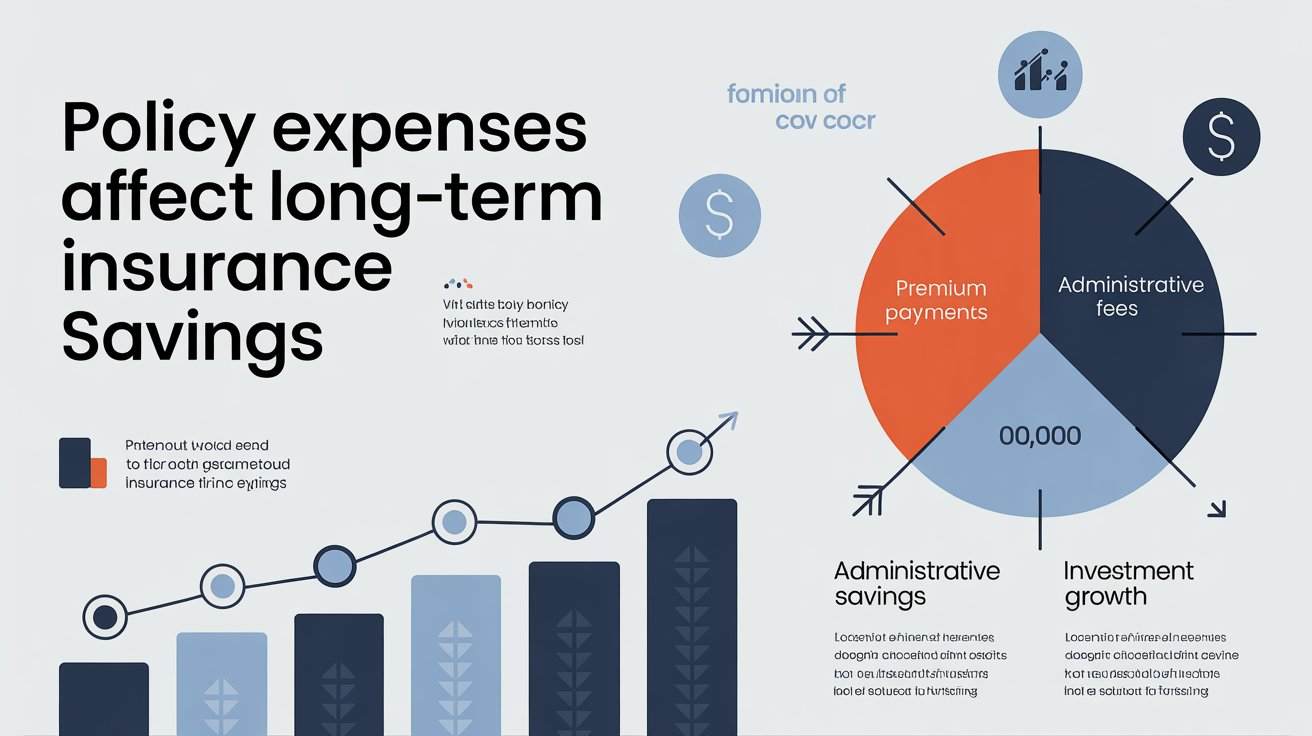
How Policy Expenses Affect Long-Term Insurance Savings

Insurance Savings help people build steady financial security over time. These savings grow through structured plans that combine protection and long-term value. Policy Expenses influence how much money someone keeps and how much the plan grows. A clear view of these expenses helps people make better choices. This article explains each type of cost, how each cost affects growth, and how people can manage these costs to protect their Insurance Savings.

What Policy Expenses Mean

Policy Expenses are the costs an insurance company charges for running and maintaining an insurance plan. These charges support administration, management, and risk handling. Each type of plan has its own cost structure. When people understand these charges, they can judge how much of their payment supports savings growth.

Types of Policy Expenses

Premium Allocation Charges

These charges reduce the part of the premium that enters the savings section. A high charge leads to lower Insurance Savings in the early years. A low charge supports faster fund buildup.

Administrative Charges

Administrative charges cover record keeping, customer support, and policy management. Even though each charge may seem small, consistent deductions impact the long-term value of Insurance Savings.

Mortality Charges

These charges relate to risk protection and depend on age, coverage amount, and plan type. Higher mortality charges leave less money for savings growth.

Fund Management Charges

Some insurance plans allow people to invest savings in different funds. Fund management charges apply to these investments. Higher charges reduce returns. Lower charges help the savings grow faster.

Surrender Charges

If someone ends the plan early, the company may apply a surrender charge. This reduces the amount returned. These charges can strongly impact Insurance Savings during the first few years.

Rider Charges

Riders are extra benefits added to an insurance plan. Each rider has a cost. The total cost affects the leftover balance for savings.

How Policy Expenses Reduce Long-Term Growth

Policy Expenses affect growth because they reduce the amount available for investment. Even small charges produce large effects when compounded over many years.

When people pay premiums, only a part of that money enters the savings pool. The rest covers expenses. If charges stay high throughout the policy, the Insurance Savings grow at a slower rate. Over long terms, this gap becomes large.

How Early Charges Affect Insurance Savings

Early Policy Expenses often take a bigger share of premiums. This reduces the foundation of the savings plan. Since long-term Insurance Savings depend on compounding, a weak starting balance leads to reduced growth. Lower early charges help the plan start strong.

How Fund Management Charges Affect Returns

Fund-based plans depend on long-term investment returns. Fund management charges reduce yearly returns. A lower charge increases net return and strengthens Insurance Savings. Even a small change in this charge can produce a large difference over 20 or 30 years.

How Mortality Charges Influence Savings

Mortality charges ensure coverage for life protection. As age increases, these charges may rise. If these increases are large, the savings fund receives less money. Plans with stable or moderate mortality charges support better long-term Insurance Savings.

How Rider Costs Influence Savings

Riders add safety to a policy, but each adds a separate cost. More riders mean more deductions. People should select only the riders they truly need so their Insurance Savings remain strong.

Comparing Expense Structures

Different plans use different expense models. Some plans charge high early fees but low long-term fees. Others spread the charges evenly. A plan with balanced and clear charges helps people plan long-term Insurance Savings more effectively.

How to Evaluate Policy Expenses

Read the Policy Document

The policy document lists each expense. These listings show how much money stays in the plan.

Compare Similar Plans

People should compare plans with similar features. A plan with lower Policy Expenses usually supports stronger Insurance Savings.

Review Yearly Statements

Yearly statements show deductions, fund growth, and net value. These updates help people see how expenses affect their savings.

Look at Long-Term Projections

Many insurers provide projected growth estimates. People can compare projections under different expense conditions to choose the plan with better long-term value.

How to Reduce the Impact of Policy Expenses

Select Plans With Low Administrative Costs

Low administrative charges help preserve more of the savings balance.

Choose Efficient Fund Options

Funds with lower management charges help maximize returns. People should select funds with consistent performance and low costs.

Limit Riders

Riders increase costs. People should choose only useful riders so they can protect more of their Insurance Savings.

Pay Regular Premiums

Missed payments sometimes trigger extra charges. Regular payment prevents extra deductions.

Stay Invested for the Long Term

Ending a plan early activates surrender charges. Staying invested protects the savings balance and supports long-term growth.

How Policy Expenses Influence Compounding

Universal life insurance is widely known as a flexible form of permanent coverage that protects you throughout your lifetime while giving you more control over how your policy grows. Many people consider universal life insurance when they want lifelong financial security with the added benefit of adjustable premiums. This structure allows policyholders to contribute more than the required minimum, helping them tailor the policy to changing financial goals without losing long-term protection.

In addition to premium flexibility, this type of policy also allows adjustments to the face amount, giving policyholders the ability to increase or decrease coverage as life circumstances evolve. Over time, the policy builds cash value on a tax-deferred basis, which can support future financial planning or serve as an emergency cushion. Like all insurance products, the long-term performance and guarantees depend on the financial strength and claims-paying ability of the issuing insurance company, making it important to choose a reliable provider.

Examples of Expense Impact

Example: High Early Charges

If someone pays a premium and only a small part enters the savings fund due to high early charges, the fund grows slowly. After many years, this slow start creates a lower final balance.

Example: Low Fund Charges

A plan with lower fund management charges allows higher net returns. This produces faster growth and supports stronger Insurance Savings over long terms.

How Consistent Monitoring Helps

People who check their policy regularly gain better control of their savings. They can adjust investment funds, remove riders they no longer need, or switch to better fund options. Monitoring helps reduce the long-term impact of Policy Expenses.

Role of Transparency

A transparent expense structure helps people judge a plan with clarity. When insurers show each charge clearly, people can trust the plan and estimate future growth with greater accuracy.

Why Policy Expenses Matter More Over Long Durations

Insurance plans often last 15, 20, or 30 years. Small yearly deductions become significant over time. Policy Expenses that seem minor in the early years produce large effects on long-term Insurance Savings. This is why careful review of expenses is important before selecting any plan.

How to Make Better Choices

People should compare expenses, understand how these charges reduce growth, and choose a plan that protects more of their money. A plan with simple charges helps create stable Insurance Savings. Clear knowledge supports confident decision-making.

Conclusion

Policy Expenses play a major role in shaping long-term Insurance Savings. Each charge reduces the amount available for investment and growth. When people understand each cost, compare plans, and monitor the policy regularly, they can protect more of their savings and support better long-term value. Careful choices at the start and consistent review over time lead to stronger Insurance Savings and more financial security in the future.

How to Build a Strong Financial Plan for Your Future

A financial plan is a clear roadmap for managing your money and achieving your life goals. It helps you understand where your money goes, how to save it, and how to make it grow. Building a strong financial plan gives you control over your finances and prepares you for both opportunities and challenges.

Understanding the Purpose of a Financial Plan

A financial plan gives structure to your income, expenses, savings, and investments. It helps you make smart financial decisions based on your current situation and future goals. The main purpose of a financial plan is to help you:

  • Manage your money effectively
  • Save consistently
  • Prepare for emergencies
  • Plan for retirement
  • Achieve long-term goals like buying a home or starting a business

Step 1: Assess Your Current Financial Situation

Before building a financial plan, it’s essential to gain a deep understanding of your current financial position. Start by evaluating your income sources, monthly expenses, outstanding debts, and total assets. This initial step helps you identify your strengths and weaknesses in managing money, allowing you to set achievable financial goals. A clear overview of your finances creates a solid foundation for long-term stability and smart decision-making.

Partnering with Mercer WM can further enhance this process, as they specialize in creating personalized financial strategies based on individual goals and circumstances. Their approach focuses on aligning your investment, savings, and retirement plans with your overall financial objectives. By combining a structured financial assessment with the expert guidance of Mercer Wealth Management, individuals and families can make more informed choices that lead to sustained financial growth and security.

Identify Your Income Sources

Write down all sources of income, such as your salary, business earnings, freelance work, or rental income. Knowing your total income helps you plan your spending and savings accurately.

Review Your Expenses

Track your expenses for at least one month. Divide them into categories such as housing, utilities, transportation, food, insurance, and entertainment. Identifying your spending patterns shows where you can cut costs and save more.

List Your Debts and Assets

Include all debts, such as credit cards, student loans, or mortgages, along with your assets, such as savings accounts, real estate, and investments. This comparison helps you calculate your net worth and understand your financial health.

Step 2: Set Clear Financial Goals

Goals are the foundation of every financial plan. They give you direction and purpose. Make sure your goals are specific, measurable, achievable, relevant, and time-bound.

Short-Term Goals

Short-term goals usually cover one to three years. These might include building an emergency fund, paying off a credit card, or saving for a vacation.

Medium-Term Goals

Medium-term goals take about three to seven years. Examples include buying a car, saving for a down payment on a house, or starting a small business.

Long-Term Goals

Long-term goals extend beyond seven years. They may include saving for retirement, funding your child’s education, or becoming debt-free.

Having clear goals helps you prioritize and stay motivated throughout your financial journey.

Step 3: Create a Realistic Budget

A budget is a key part of your financial plan. It allows you to manage your income and expenses effectively. A good budget ensures you spend less than you earn and save consistently.

Use the 50/30/20 Rule

A simple budgeting method is the 50/30/20 rule:

  • 50% of income goes to needs (rent, bills, groceries)
  • 30% goes to wants (entertainment, dining out)
  • 20% goes to savings and debt repayment

This rule keeps your spending balanced and helps you save without feeling restricted.

Review and Adjust Regularly

Track your spending every month. If you notice unnecessary expenses, adjust your budget. Consistent review keeps your financial plan effective and aligned with your goals.

Step 4: Build an Emergency Fund

An emergency fund protects your financial plan from unexpected events like medical expenses, job loss, or car repairs.

How Much to Save

Experts suggest saving at least three to six months of living expenses. This fund should be easily accessible but separate from your regular spending account.

Where to Keep It

Keep your emergency fund in a high-yield savings account. This keeps your money safe while earning some interest.

Step 5: Manage and Reduce Debt

Debt management is essential for a strong financial plan. High-interest debt can slow down your financial progress.

Prioritize High-Interest Debts

Start by paying off debts with the highest interest rates, such as credit cards. This strategy reduces the total amount of interest you pay over time.

Use the Debt Snowball or Avalanche Method

The debt snowball method focuses on paying off the smallest debts first to build momentum. The avalanche method targets the highest interest rates first. Choose the method that keeps you motivated and consistent.

Step 6: Save and Invest Wisely

Saving helps you build financial security, while investing helps your money grow. Both are essential parts of a financial plan.

Create a Savings Strategy

Decide how much of your income to save each month. Automate your savings so a portion of your income moves directly to your savings account.

Learn Basic Investing

Investing allows your money to work for you. Start with simple investment options such as mutual funds, index funds, or retirement accounts like a 401(k) or IRA. Always research before investing and seek advice if needed.

Diversify Your Investments

Avoid putting all your money in one investment. Diversify across different asset types like stocks, bonds, and real estate. This reduces risk and improves long-term stability.

Step 7: Plan for Retirement

A complete financial plan includes retirement planning. The earlier you start, the better your results will be due to compound growth.

Estimate Your Retirement Needs

Think about your desired lifestyle after retirement. Estimate the total money you will need to cover your living expenses and health care.

Choose the Right Retirement Accounts

Use retirement savings options such as 401(k), IRA, or Roth IRA. Contribute regularly and take advantage of employer matches if available.

Step 8: Protect Your Finances with Insurance

Insurance provides financial security against unexpected losses. Include appropriate insurance coverage in your financial plan.

Types of Insurance to Consider

  • Health insurance for medical protection
  • Life insurance to support your family after your death
  • Disability insurance to replace income if you cannot work
  • Home or renter’s insurance to protect your property

Proper insurance prevents financial hardship and keeps your financial plan stable.

Step 9: Review and Update Your Financial Plan Regularly

Your financial situation and goals may change over time. Review your financial plan at least once a year to make sure it still fits your current needs.

Adjust for Life Changes

Major life events such as marriage, a new job, or a child may require updates to your financial plan. Adjusting ensures your plan stays effective and realistic.

Track Your Progress

Compare your current results with your goals. Tracking helps you stay focused and shows how much progress you have made.

Step 10: Seek Professional Financial Advice

If you find financial planning challenging, consider consulting a financial advisor. An expert can help you understand investment options, tax planning, and long-term strategies.

When choosing an advisor, look for someone who is certified, transparent, and trustworthy. Good financial advice can save you time and improve your results.

Final Thoughts

Building a strong financial plan requires clear goals, smart budgeting, consistent saving, and informed investing. It helps you manage your money responsibly and prepares you for the future. A solid financial plan gives you peace of mind and long-term stability.

Start today by assessing your finances, setting clear goals, and following each step with discipline. The sooner you begin, the sooner you can secure your financial future.

How Digital Marketing Services Can Scale Your Business

Digital marketing services help businesses reach more customers. They improve online visibility, drive sales, and increase brand awareness. Businesses of all sizes use digital marketing to expand their reach.

Many businesses struggle with traditional marketing methods. Digital marketing offers cost-effective solutions. It helps businesses connect with their target audience and grow efficiently.

Increasing Online Visibility

Search Engine Optimization (SEO)

SEO improves website ranking on search engines. It helps businesses appear in search results when customers look for products or services. Higher rankings lead to more website traffic.

SEO involves keyword optimization, content creation, and technical improvements. Businesses that invest in SEO gain long-term benefits, such as consistent traffic and better credibility.

Social Media Marketing

Social media platforms have become essential tools for businesses looking to connect with potential customers. Platforms like Facebook, Instagram, and LinkedIn allow brands to engage with their audience, share valuable content, and establish a strong online presence. By leveraging social media effectively, companies can not only increase visibility but also foster trust and credibility among their target market.

To maximize results, businesses often turn to digital marketing services by Lotiva, which specialize in creating data-driven strategies for online growth. Regular posting, targeted advertising, and active customer interaction play a crucial role in enhancing brand awareness. Through well-crafted campaigns and audience analysis, businesses can refine their messaging, drive engagement, and convert followers into loyal customers. A strong social media presence, combined with expert digital marketing techniques, can significantly impact a company’s long-term success.

Driving More Sales

Pay-Per-Click (PPC) Advertising

PPC ads bring immediate traffic to a website. Businesses pay for each click on their ads. Google Ads and social media platforms offer PPC advertising.

Effective PPC campaigns target specific audiences. Well-optimized ads increase conversions and reduce advertising costs. Businesses can scale their campaigns based on performance.

Email Marketing

Email marketing keeps customers engaged. Businesses send promotional offers, newsletters, and updates to their subscribers. Personalized emails improve customer retention.

Automated email campaigns save time and improve efficiency. Businesses can segment their audience and send targeted messages. This increases sales and customer loyalty.

Building Brand Authority

Content Marketing

Content marketing provides valuable information to customers. Businesses create blog posts, videos, and infographics to educate their audience. Informative content builds trust and authority.

Well-written content improves SEO and attracts organic traffic. Businesses that share useful content position themselves as industry leaders. This helps in gaining customer trust.

Influencer Marketing

Influencers have a strong online presence. Businesses collaborate with influencers to promote their products or services. Influencer marketing increases credibility and expands brand reach.

Micro-influencers often have a loyal following. Partnering with them can lead to higher engagement. Businesses can choose influencers based on their industry and target audience.

Improving Customer Engagement

Chatbots and Live Chat

Chatbots provide instant responses to customer queries. They improve customer service and increase engagement. Businesses use chatbots on websites and social media platforms.

Live chat support enhances customer experience. It allows businesses to answer questions in real-time. Quick responses lead to higher customer satisfaction and trust.

Customer Reviews and Testimonials

Positive reviews increase business credibility. Customers trust online reviews before making a purchase. Businesses encourage satisfied customers to leave reviews.

Displaying testimonials on websites and social media builds trust. Responding to customer feedback shows commitment to quality service.

Reducing Marketing Costs

Cost-Effective Advertising

Digital marketing is more affordable than traditional advertising. Businesses can reach a larger audience with a lower budget. Online ads are customizable and trackable.

Small businesses benefit from digital marketing’s flexibility. They can start with a small budget and scale based on results. Performance tracking helps in optimizing ad spending.

Data-Driven Marketing

Digital marketing provides detailed analytics. Businesses track campaign performance and adjust strategies accordingly. Data-driven decisions lead to better results.

Tools like Google Analytics, Facebook Insights, and email tracking help businesses measure success. They show customer behavior, conversion rates, and engagement levels.

Expanding to Global Markets

Reaching International Customers

Digital marketing breaks geographical barriers. Businesses can sell products and services worldwide. Online ads, social media, and SEO help reach global customers.

E-commerce businesses benefit the most from digital marketing. They can market products to international audiences without opening physical stores.

Multilingual Marketing Strategies

Businesses targeting different regions use multilingual content. Translating websites and ads increases accessibility. Localizing content improves customer engagement.

Social media campaigns in multiple languages attract diverse audiences. Businesses can expand their reach by adapting marketing strategies to different cultures.

Strengthening Customer Relationships

Loyalty Programs and Retargeting

Loyalty programs encourage repeat purchases. Businesses offer discounts, rewards, and exclusive deals to loyal customers. Digital marketing makes loyalty programs easier to manage.

Retargeting ads remind visitors to complete purchases. They appear on social media and search engines after a customer leaves a website. Retargeting increases conversions.

Personalized Marketing

Personalization improves customer experience. Businesses use customer data to send relevant offers and recommendations. Personalized emails and ads increase engagement.

Artificial intelligence helps in analyzing customer behavior. Businesses use AI to create customized marketing strategies. This improves customer retention and brand loyalty.

Conclusion

Digital marketing services help businesses grow by increasing visibility, driving sales, and building customer relationships. They provide cost-effective solutions for reaching larger audiences.

Businesses can use SEO, social media, PPC, and email marketing to scale their operations. Data-driven strategies improve efficiency and maximize returns. Digital marketing is essential for long-term business success.

How to Repair Cracked or Broken Teeth with Cosmetic Dentistry

Cracked or broken teeth can affect both your appearance and your ability to eat or speak properly. Whether it is a small crack or a more severe break, a damaged tooth needs immediate attention. Cosmetic dentistry offers several effective solutions to repair these issues.

This article explains how cosmetic dentistry can help repair cracked or broken teeth and restore both function and aesthetics. It covers various treatment options, their benefits, and the steps involved in each procedure.

Understanding Cracked or Broken Teeth

Causes of Cracked or Broken Teeth

Teeth can crack or break for various reasons. Some common causes include:

  • Accidents or injuries
  • Chewing hard foods or ice
  • Teeth grinding (bruxism)
  • Decay weakening the tooth structure
  • Age-related wear and tear

The severity of the crack or break will determine the appropriate treatment. Some cracks may only affect the outer enamel, while others may extend deeper into the tooth, reaching the pulp.

Symptoms of Cracked or Broken Teeth

A cracked or broken tooth can cause several symptoms:

  • Pain when chewing or biting
  • Sensitivity to hot or cold temperatures
  • Visible cracks or chips in the tooth
  • Swelling or tenderness in the gums around the affected tooth

If you experience any of these symptoms, it’s important to visit a dentist promptly to assess the damage. Early treatment can prevent further complications.

Cosmetic Dentistry Solutions for Cracked or Broken Teeth

Dental Bonding

Dental bonding is one of the simplest and most cost-effective ways to repair small cracks or chips in teeth. During this procedure, a tooth-colored resin is carefully applied to the damaged area. The resin is then sculpted to match the natural shape of the tooth before being hardened with a special curing light. This technique not only restores the tooth’s appearance but also strengthens it, preventing further damage.

With advancements in cosmetic dentistry, treatments like Cosmetic Dentistry by Dr Arthur Yeh offer patients customized solutions for enhancing their smiles. Bonding is particularly effective for minor imperfections on front teeth, as it requires little to no enamel removal. The procedure is quick, minimally invasive, and provides natural-looking results. However, for more extensive dental concerns, other cosmetic options like veneers or crowns may be recommended to achieve long-lasting results and optimal aesthetics.

Veneers

Veneers are thin shells made of porcelain or composite material that are placed over the front surface of the teeth. They are used to cover cracks, chips, or discoloration. Veneers are customized to fit the shape and color of your teeth, providing a natural-looking result.

Veneers are ideal for individuals with cracked or broken front teeth that are visible when smiling. The process involves removing a small amount of enamel from the tooth surface, making it a more permanent solution compared to dental bonding.

Crowns

For more significant damage, such as a severely cracked or broken tooth, a dental crown may be the best option. A crown is a custom-made cap that covers the entire tooth, providing strength and protection. Crowns are typically made of porcelain, ceramic, or metal.

Crowns are used when the tooth is too damaged to be repaired with bonding or veneers. They restore the tooth’s function and appearance. The process involves reshaping the tooth and placing the crown over it. Crowns can last many years with proper care.

Root Canals and Crowns

In cases where the crack extends into the pulp (the soft tissue inside the tooth), a root canal may be necessary. A root canal removes the damaged tissue and seals the tooth to prevent further infection. After a root canal, a crown is usually placed to protect the tooth and restore its function.

This combination of root canal therapy and crown placement is often used for severely cracked teeth that cannot be saved with other procedures. The treatment allows the tooth to remain functional while providing a natural-looking appearance.

Onlays and Inlays

Onlays and inlays are another option for repairing cracked or broken teeth. These are custom-made restorations that fit into or onto the tooth, depending on the location of the damage. Onlays cover the top and sides of the tooth, while inlays fill in cavities or cracks within the tooth.

These options are often used for teeth that have significant decay or damage but still have a solid structure. Onlays and inlays are made from durable materials such as porcelain or composite resin, ensuring both strength and a natural look.

The Process of Repairing Cracked or Broken Teeth

Initial Consultation

The first step in repairing a cracked or broken tooth is visiting a dentist for a consultation. The dentist will examine your tooth and may take X-rays to assess the extent of the damage. This helps the dentist determine the best course of action.

During the consultation, the dentist will discuss the available treatment options with you and explain the pros and cons of each. They will also answer any questions you may have and provide a cost estimate for the procedures.

Treatment Planning and Preparation

Once you’ve chosen a treatment option, the dentist will prepare the tooth for the procedure. For bonding or veneers, this may involve light sanding or reshaping of the tooth surface. For crowns or inlays, the dentist will take impressions of your tooth to create a custom restoration.

In some cases, the dentist may provide a temporary restoration while your permanent solution is being prepared. This ensures that the tooth remains protected during the waiting period.

Placement and Aftercare

Once the custom restoration is ready, the dentist will place it on or over the tooth. They will check the fit, shape, and color to ensure it matches your natural teeth. The restoration will be securely attached, and the dentist will make any necessary adjustments for comfort.

After the procedure, your dentist will provide aftercare instructions. This may include avoiding certain foods or activities for a brief period to allow the restoration to set properly. Regular dental check-ups are essential to ensure the restoration remains intact.

Benefits of Cosmetic Dentistry for Cracked or Broken Teeth

Restores Functionality

Cosmetic dentistry not only improves the appearance of cracked or broken teeth but also restores their function. This is particularly important for back teeth, which are responsible for chewing. With crowns, veneers, and other treatments, you can regain your ability to eat and speak normally.

Natural-Looking Results

One of the main benefits of cosmetic dentistry is the ability to achieve natural-looking results. Procedures like bonding, veneers, and crowns are designed to match the color and shape of your natural teeth, giving you a seamless smile.

Long-Lasting Solutions

Cosmetic dental procedures like crowns and veneers are designed to last for many years with proper care. These long-lasting solutions help you avoid repeated treatments and enjoy the benefits of a beautiful smile for an extended period.

Conclusion

Cracked or broken teeth can cause discomfort and embarrassment. Cosmetic dentistry offers several effective solutions to restore both the function and appearance of damaged teeth. Treatments such as bonding, veneers, crowns, and root canals can address different levels of damage, ensuring a natural and long-lasting result.

Consulting with a dentist is the first step in determining the best option for repairing your cracked or broken teeth. With the right treatment, you can restore your smile and maintain a healthy, functional set of teeth.

Design a site like this with WordPress.com
Get started