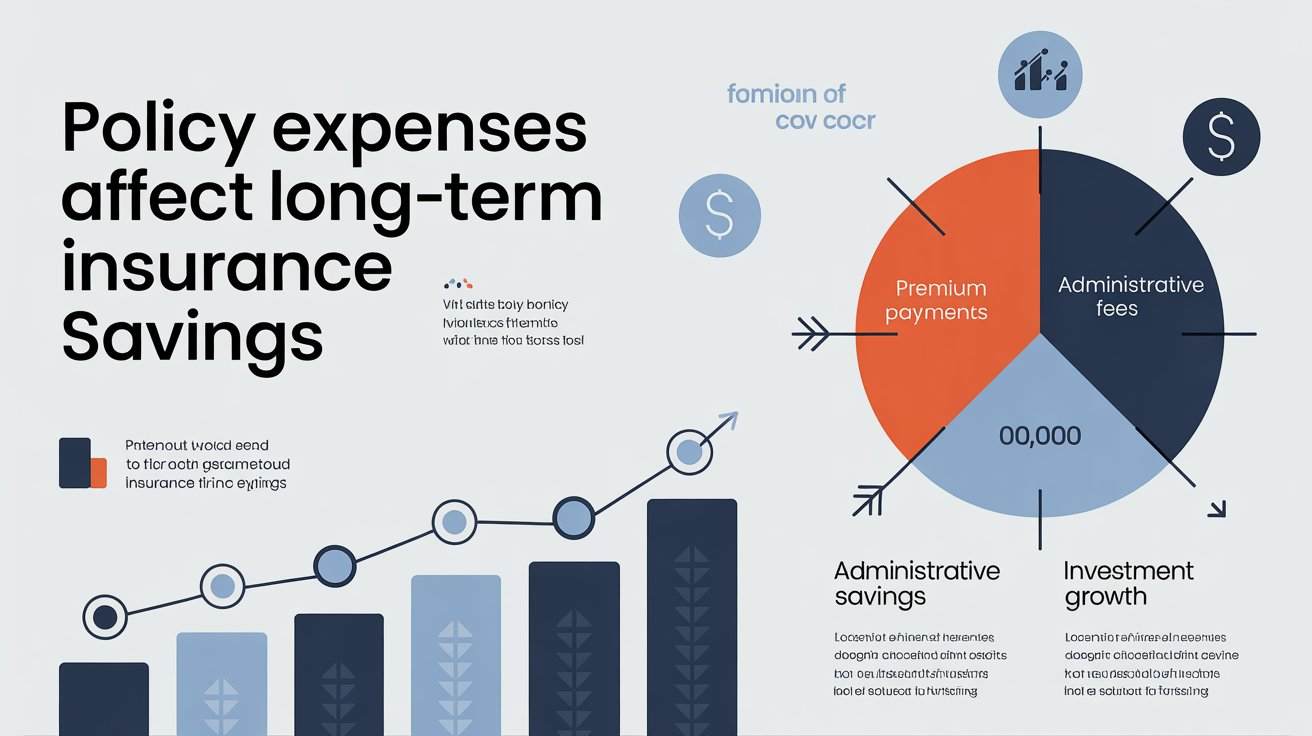
Insurance Savings help people build steady financial security over time. These savings grow through structured plans that combine protection and long-term value. Policy Expenses influence how much money someone keeps and how much the plan grows. A clear view of these expenses helps people make better choices. This article explains each type of cost, how each cost affects growth, and how people can manage these costs to protect their Insurance Savings.
What Policy Expenses Mean
Policy Expenses are the costs an insurance company charges for running and maintaining an insurance plan. These charges support administration, management, and risk handling. Each type of plan has its own cost structure. When people understand these charges, they can judge how much of their payment supports savings growth.
Types of Policy Expenses
Premium Allocation Charges
These charges reduce the part of the premium that enters the savings section. A high charge leads to lower Insurance Savings in the early years. A low charge supports faster fund buildup.
Administrative Charges
Administrative charges cover record keeping, customer support, and policy management. Even though each charge may seem small, consistent deductions impact the long-term value of Insurance Savings.
Mortality Charges
These charges relate to risk protection and depend on age, coverage amount, and plan type. Higher mortality charges leave less money for savings growth.
Fund Management Charges
Some insurance plans allow people to invest savings in different funds. Fund management charges apply to these investments. Higher charges reduce returns. Lower charges help the savings grow faster.
Surrender Charges
If someone ends the plan early, the company may apply a surrender charge. This reduces the amount returned. These charges can strongly impact Insurance Savings during the first few years.
Rider Charges
Riders are extra benefits added to an insurance plan. Each rider has a cost. The total cost affects the leftover balance for savings.
How Policy Expenses Reduce Long-Term Growth
Policy Expenses affect growth because they reduce the amount available for investment. Even small charges produce large effects when compounded over many years.
When people pay premiums, only a part of that money enters the savings pool. The rest covers expenses. If charges stay high throughout the policy, the Insurance Savings grow at a slower rate. Over long terms, this gap becomes large.
How Early Charges Affect Insurance Savings
Early Policy Expenses often take a bigger share of premiums. This reduces the foundation of the savings plan. Since long-term Insurance Savings depend on compounding, a weak starting balance leads to reduced growth. Lower early charges help the plan start strong.
How Fund Management Charges Affect Returns
Fund-based plans depend on long-term investment returns. Fund management charges reduce yearly returns. A lower charge increases net return and strengthens Insurance Savings. Even a small change in this charge can produce a large difference over 20 or 30 years.
How Mortality Charges Influence Savings
Mortality charges ensure coverage for life protection. As age increases, these charges may rise. If these increases are large, the savings fund receives less money. Plans with stable or moderate mortality charges support better long-term Insurance Savings.
How Rider Costs Influence Savings
Riders add safety to a policy, but each adds a separate cost. More riders mean more deductions. People should select only the riders they truly need so their Insurance Savings remain strong.
Comparing Expense Structures
Different plans use different expense models. Some plans charge high early fees but low long-term fees. Others spread the charges evenly. A plan with balanced and clear charges helps people plan long-term Insurance Savings more effectively.
How to Evaluate Policy Expenses
Read the Policy Document
The policy document lists each expense. These listings show how much money stays in the plan.
Compare Similar Plans
People should compare plans with similar features. A plan with lower Policy Expenses usually supports stronger Insurance Savings.
Review Yearly Statements
Yearly statements show deductions, fund growth, and net value. These updates help people see how expenses affect their savings.
Look at Long-Term Projections
Many insurers provide projected growth estimates. People can compare projections under different expense conditions to choose the plan with better long-term value.
How to Reduce the Impact of Policy Expenses
Select Plans With Low Administrative Costs
Low administrative charges help preserve more of the savings balance.
Choose Efficient Fund Options
Funds with lower management charges help maximize returns. People should select funds with consistent performance and low costs.
Limit Riders
Riders increase costs. People should choose only useful riders so they can protect more of their Insurance Savings.
Pay Regular Premiums
Missed payments sometimes trigger extra charges. Regular payment prevents extra deductions.
Stay Invested for the Long Term
Ending a plan early activates surrender charges. Staying invested protects the savings balance and supports long-term growth.
How Policy Expenses Influence Compounding
Universal life insurance is widely known as a flexible form of permanent coverage that protects you throughout your lifetime while giving you more control over how your policy grows. Many people consider universal life insurance when they want lifelong financial security with the added benefit of adjustable premiums. This structure allows policyholders to contribute more than the required minimum, helping them tailor the policy to changing financial goals without losing long-term protection.
In addition to premium flexibility, this type of policy also allows adjustments to the face amount, giving policyholders the ability to increase or decrease coverage as life circumstances evolve. Over time, the policy builds cash value on a tax-deferred basis, which can support future financial planning or serve as an emergency cushion. Like all insurance products, the long-term performance and guarantees depend on the financial strength and claims-paying ability of the issuing insurance company, making it important to choose a reliable provider.
Examples of Expense Impact
Example: High Early Charges
If someone pays a premium and only a small part enters the savings fund due to high early charges, the fund grows slowly. After many years, this slow start creates a lower final balance.
Example: Low Fund Charges
A plan with lower fund management charges allows higher net returns. This produces faster growth and supports stronger Insurance Savings over long terms.
How Consistent Monitoring Helps
People who check their policy regularly gain better control of their savings. They can adjust investment funds, remove riders they no longer need, or switch to better fund options. Monitoring helps reduce the long-term impact of Policy Expenses.
Role of Transparency
A transparent expense structure helps people judge a plan with clarity. When insurers show each charge clearly, people can trust the plan and estimate future growth with greater accuracy.
Why Policy Expenses Matter More Over Long Durations
Insurance plans often last 15, 20, or 30 years. Small yearly deductions become significant over time. Policy Expenses that seem minor in the early years produce large effects on long-term Insurance Savings. This is why careful review of expenses is important before selecting any plan.
How to Make Better Choices
People should compare expenses, understand how these charges reduce growth, and choose a plan that protects more of their money. A plan with simple charges helps create stable Insurance Savings. Clear knowledge supports confident decision-making.
Conclusion
Policy Expenses play a major role in shaping long-term Insurance Savings. Each charge reduces the amount available for investment and growth. When people understand each cost, compare plans, and monitor the policy regularly, they can protect more of their savings and support better long-term value. Careful choices at the start and consistent review over time lead to stronger Insurance Savings and more financial security in the future.
 Every Hub