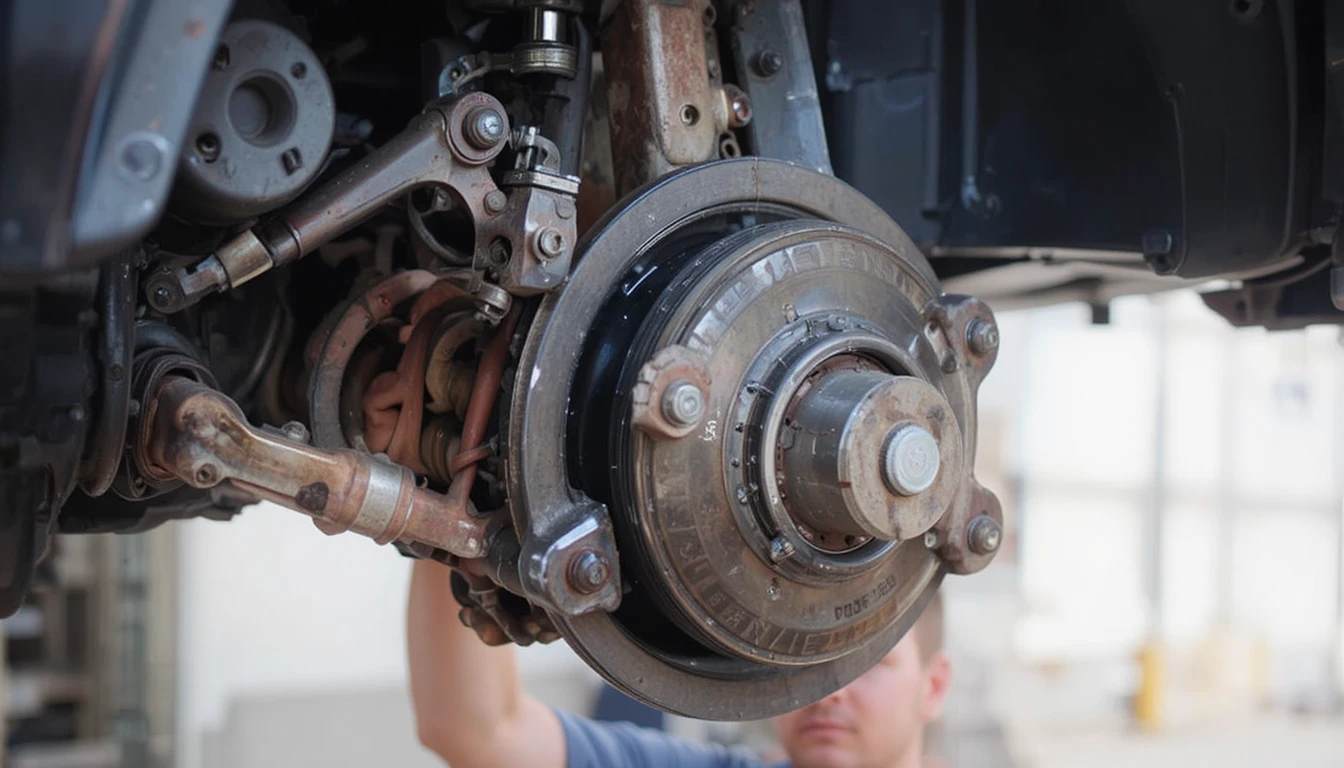
A car stays safe and stable when its suspension system and steering system work together. Both systems support each other and keep the car balanced on the road. When the suspension develops issues, the steering starts to lose control and accuracy. This article explains how suspension problems affect steering and why quick car repair keeps the vehicle safe. The content focuses on clear language and simple sentence structure so every point stays easy to understand.
The Direct Link Between Car Suspension and Steering
The suspension keeps the car stable and absorbs shocks from the road. The steering guides the wheels and decides direction. Both systems rely on each other. If the suspension becomes weak, the steering loses smooth movement. This creates pressure on parts that should move freely. As a result, the driver feels the wheel become heavy, slow, or unstable.
Why Suspension Problems Create Steering Issues
Uneven Tire Contact
The suspension helps keep the tires flat on the road. If the suspension drops, sags, or becomes loose, the tires lose even contact. When the tires stop touching the road properly, the steering wheel starts shaking. The driver feels vibration or wandering. This weak road grip leads to poor steering control.
Worn Shocks or Struts
Shocks and struts absorb bumps and keep the car stable. If they wear out, the front of the car becomes loose. The steering becomes harder to control because the wheels bounce more than normal. A worn shock cannot manage weight shifts, so the steering feels light in some moments and heavy in others. This inconsistency reduces safety.
Damaged Control Arms
Control arms help the wheels move up and down smoothly. If a control arm bends or its bushings crack, the steering loses accuracy. The wheel angle shifts, and the car may pull left or right. This forces the driver to correct the steering repeatedly to keep the vehicle straight. This problem grows worse at high speeds.
Weak Ball Joints
Ball joints connect suspension parts and allow movement. When ball joints wear down, they create loose steering. The driver might feel a clunking sound while turning. The steering wheel may also shake suddenly. Weak ball joints put the car at serious risk because the wheel can lose correct alignment.
Broken Springs
Springs hold the car’s weight and keep it at the correct height. If a spring breaks, the car drops on one side. This uneven height forces the steering to work with different pressure on each wheel. Steering becomes stiff and unpredictable. The driver must fight the wheel to keep the car in one direction.
Wheel Alignment Failure
Suspension problems lead to poor wheel alignment. Misaligned wheels turn in slightly different directions. This creates steering trouble because the steering wheel cannot guide uneven wheels correctly. Poor alignment also increases tire wear. This affects how the tires respond to steering input and makes the car harder to control.
Signs That Suspension Problems Are Affecting Steering
Pulling to One Side
If the car moves to one direction without turning the wheel, the suspension may be loose. Damaged parts force the wheels into the wrong angle. This creates steering issues that require fast repair.
Steering Wheel Vibration
Road vibration increases when suspension parts fail. The driver feels constant shaking through the wheel. This shaking means the tires are not stable on the road. It also means the steering is not receiving proper support from the suspension.
Hard Steering
If the suspension becomes stiff or worn, the steering needs more effort. The wheel feels heavy and slow to move. This makes it harder to drive safely, especially in traffic or tight turns.
Noisy Turns
Clunks, pops, or grinding noises show that suspension parts are loose or broken. These sounds appear while turning because the steering puts pressure on weak suspension parts. Ignoring these noises leads to bigger car repair costs.
Why Immediate Car Repair Matters
A car with weak suspension becomes unsafe because it loses full steering control, especially when driving on uneven roads or braking suddenly. When the vehicle starts to bounce, pull to one side, or make unusual noises, it signals deeper mechanical issues. Addressing these warning signs early helps prevent long-term damage and reduces the chance of roadside emergencies. Many drivers rely on Car Suspension by Torrance Motors because proper maintenance keeps the vehicle stable, protects the frame, and supports safer handling on every trip.
Quick repair protects both the driver and passengers, while delays cause more parts to fail over time. For example, worn shocks can damage tires, alignment, and ball joints, which leads to higher repair bills. Ignoring these problems also reduces fuel efficiency and puts extra pressure on the braking system. Early action not only saves money but also helps maintain overall road safety by keeping the car balanced and responsive.
How Car Suspension Repair Improves Steering
Restores Tire Grip
A strong suspension keeps the tires fully connected with the road. Proper grip improves steering accuracy. The wheel responds better to each movement, and the car stays stable.
Improves Wheel Alignment
Good suspension repair fixes alignment issues. Aligned wheels move in one direction. This reduces steering effort and keeps the car straight.
Reduces Vibration
Replacing worn suspension parts stops vibration. A stable front end gives the steering wheel clean movement. The driver feels smooth control.
Supports Weight Balance
New shocks, struts, and springs keep the car at the correct height. Balanced weight reduces pressure on the steering system. This makes turns cleaner and safer.
Common Suspension Repairs That Fix Steering Issues
Shock and Strut Replacement
Replacing shocks and struts improves stability. This gives the steering wheel cleaner control during bumps and turns.
Ball Joint Repair
New ball joints remove loose steering. They bring accuracy back into the wheel movement.
Control Arm Replacement
New control arms improve wheel angle. This stops the car from pulling left or right.
Spring Replacement
New springs restore the correct height. This balance helps the steering move smoothly.
Alignment Service
Wheel alignment fixes steering direction. This service creates equal pressure on all wheels, making the car easier to control.
How Regular Maintenance Prevents Steering Problems
Regular checks protect the suspension early. A mechanic can detect small issues before they affect the steering. Simple inspections of shocks, bushings, springs, and ball joints keep the car safe. Regular maintenance also protects tires and reduces repair costs.
Safety Risks of Ignoring Suspension and Steering Problems
A car becomes harder to control when the suspension weakens. This increases the chance of accidents. Poor steering response reduces reaction time in emergencies. Bad suspension makes the car unstable at higher speeds. Ignoring these issues puts everyone at risk.
How to Choose the Right Car Repair Service
Choose a repair shop that understands how suspension and steering work together. A good technician checks all connected parts, not just the damaged area. A proper inspection includes shocks, springs, control arms, ball joints, and alignment. A complete repair brings back full control.
Conclusion
Car suspension problems directly affect steering issues. A weak suspension reduces road grip, damages alignment, and increases vibration. This makes the steering less accurate and less safe. Quick car repair protects the entire system. A healthy suspension supports smooth, steady steering and gives the driver full control. Regular maintenance keeps the car safe and prevents expensive damage.
 Every Hub