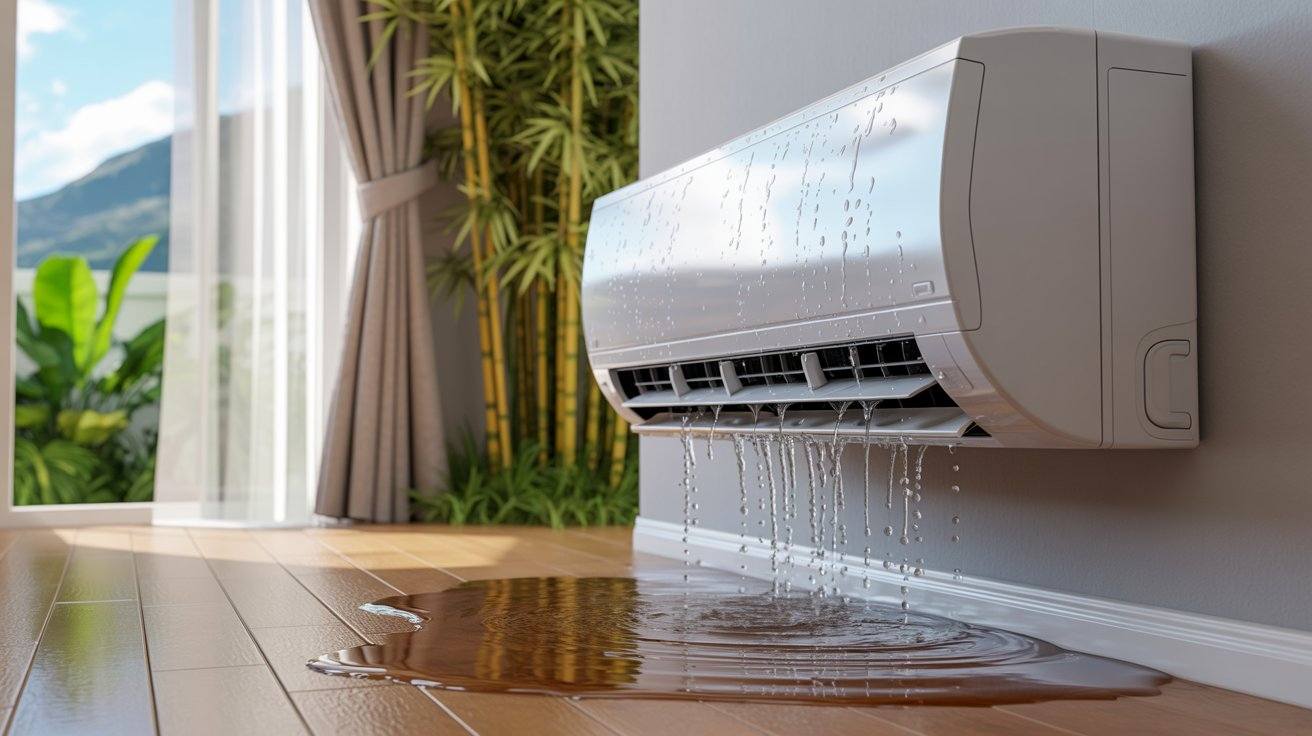
Air conditioners work under heavy stress in tropical climates. High temperatures and high humidity push units to run longer and harder. This longer runtime increases the chance of water leaks. Many homeowners see water near their indoor unit and fear major damage. In most cases, the cause is simple. Clear knowledge helps reduce worry and helps keep the system safe. This article explains the most common reasons air conditioners leak water in tropical regions. It also supports easy understanding by using direct sentences and precise wording. It keeps the focus on clarity so readers get clear value and simple guidance.
High Humidity Levels Increase Water Production
Tropical climates hold large amounts of moisture, which puts constant pressure on any cooling system. As warm indoor air passes over the cold evaporator coil, the air conditioner pulls out moisture and turns it into water. This water collects in the drain pan and flows through the drain line. When humidity increases, the system produces more water than usual. If the drain setup cannot manage the higher volume, leaks start to appear. High moisture levels also keep the coil wet for longer periods, raising the chance of overflow when the drain line slows down or becomes clogged. In tropical homes, long daily usage makes this problem more common because the system never fully dries out. Homeowners who want consistent cooling performance often rely on LS Aircon Servicing for routine maintenance and moisture-control solutions that help reduce leak risks in high-humidity environments.
A Blocked Drain Line Restricts Water Flow
A drain line allows water to exit the air conditioner. Dirt, mold, and dust gather inside the line over time. In tropical climates, the warm and moist environment supports faster growth of mold. When buildup grows, water cannot pass through. It flows back into the drain pan and spills out. Many air conditioners leak water because the drain line is full of debris. Blocked lines are common in units that run for long hours each day. The longer the unit runs, the more moisture passes through the line. This steady flow creates ideal conditions for blockages. A simple cleaning often solves the issue. Still, many homeowners overlook the drain line until water appears near the indoor unit.
A Dirty Evaporator Coil Causes Ice and Melt Leaks
The evaporator coil cools warm indoor air. If the coil becomes dirty, airflow weakens. Weak airflow causes the coil to become too cold. This leads to ice forming on the surface. When the ice melts, the water may overflow the drain pan. Tropical homes face this issue often because dust builds up fast in humid air. Long-term use also brings more airborne particles into the system. When the coil holds dirt, it cannot absorb heat properly. The ice continues to grow until airflow improves. Once the unit shuts off, the ice melts slowly. This slow melt creates more water than the drain system can handle. The result is a leak that often appears after a cooling cycle ends.
A Damaged or Misaligned Drain Pan Lets Water Escape
The drain pan sits under the evaporator coil. Its job is to collect water and guide it to the drain line. With age, the pan can crack or rust. A damaged pan lets water escape before reaching the drain line. Misalignment can also cause leaks, as water flows to the wrong side of the pan. Air conditioners that run constantly in humid climates keep the pan full for longer periods. Constant moisture speeds up rust and wear. Many homeowners see water near the unit but do not expect the pan to be the cause. Inspecting the pan helps identify leaks early and prevents further damage.
Low Refrigerant Levels Cause Coil Freezing
Low refrigerant reduces the cooling ability of the air conditioner. When refrigerant drops too low, the evaporator coil becomes colder than normal. This cold surface freezes moisture in the air and forms ice. After the ice melts, water drips heavily into the drain pan. If the pan cannot handle the large amount, a leak forms. Tropical climates do not directly cause low refrigerant, but high usage exposes weak spots in the system faster. Leaks in the refrigerant line become more noticeable during long cooling periods. If the air conditioner cools poorly and leaks water, a refrigerant issue may be present.
Improper Installation Affects Water Drainage
Many air conditioners leak water due to poor setup. The indoor unit must be level for the drain system to work. If the unit tilts even slightly, water moves to the wrong side of the drain pan and spills out. Drain lines must also slope correctly so water flows away from the unit. In tropical regions, frequent use amplifies the effect of installation mistakes. Even a small tilt can cause constant dripping. Incorrect placement of the drain tube can also lead to backward flow. When water cannot exit freely, the system leaks during long cooling periods.
Clogged Air Filters Reduce Airflow
Air filters trap dust and protect the evaporator coil. When they clog, airflow drops. Low airflow causes the coil to cool too much. Ice forms and later melts into excess water. Many air conditioners leak water due to filters that remain unchanged for months. Tropical air holds more dust and moisture, which fills filters faster. Constant usage also means the filter works longer hours each day. A simple filter change often stops leaks caused by ice buildup. Clean filters also support steady airflow and protect the coil from further dirt.
Poor Insulation Around the Unit Causes Condensation
The lines that carry refrigerant must stay insulated. If insulation becomes loose or damaged, warm air touches the cold surface. This contact creates condensation. The water then drips from the line or nearby surfaces. In tropical climates, the contrast between warm air and cold lines increases condensation. The more the system runs, the more moisture forms. Water may appear near the wall or ceiling and look like a major leak. Many homeowners mistake this for drain failure. Replacing damaged insulation usually fixes the problem.
Oversized Units Produce Excess Moisture
Some air conditioners cool too fast. This reduces the amount of moisture they can remove. When the unit shuts off early, humidity stays high inside the home. When the unit restarts, it pulls in more moisture than normal. This leads to heavy water production and possible overflow. In tropical climates, many people choose large units to cool faster. This creates short cooling cycles and more moisture swings. The drain system struggles with sudden bursts of water. This raises the chance of leaks during peak humidity hours.
Regular Maintenance Prevents Water Leaks
Most leaks come from simple issues such as dirt, blocked lines, damaged pans, or weak airflow. Regular checks reduce these risks. Cleaning the drain line, washing the coil, changing filters, and inspecting insulation all help maintain steady water flow. In tropical climates, maintenance becomes more important because systems run harder. Long runtimes collect more dust, moisture, and debris. Many air conditioners leak water due to skipped maintenance. A basic routine keeps the system stable and reduces long-term repair costs. It also improves cooling performance during high heat periods.
Why Water Leaks Appear More Often in Tropical Homes
Homes in tropical regions rely on air conditioners for long hours each day. Heat and moisture stay high all year. This constant demand exposes small problems faster. A slightly dirty coil, a small crack in the drain pan, or a minor block in the drain line can cause leaks sooner in humid climates. The system never gets a break, so moisture builds continuously. The more water produced, the more stress on the drain system. Understanding this helps owners stay alert and fix minor issues before they turn into major leaks.
Conclusion
Air conditioners leak water for many clear reasons. Tropical climates increase these risks because of high heat, high moisture, and long daily use. Most leaks come from blocked drain lines, dirty coils, clogged filters, damaged drain pans, insulation problems, or installation errors. Some leaks form due to low refrigerant or oversized units. Each issue has a simple explanation and a simple fix when addressed early. A steady maintenance routine reduces leaks and keeps cooling stable in humid regions. Clear knowledge supports better care and helps homeowners keep their air conditioners safe and effective in tropical conditions.
 Every Hub