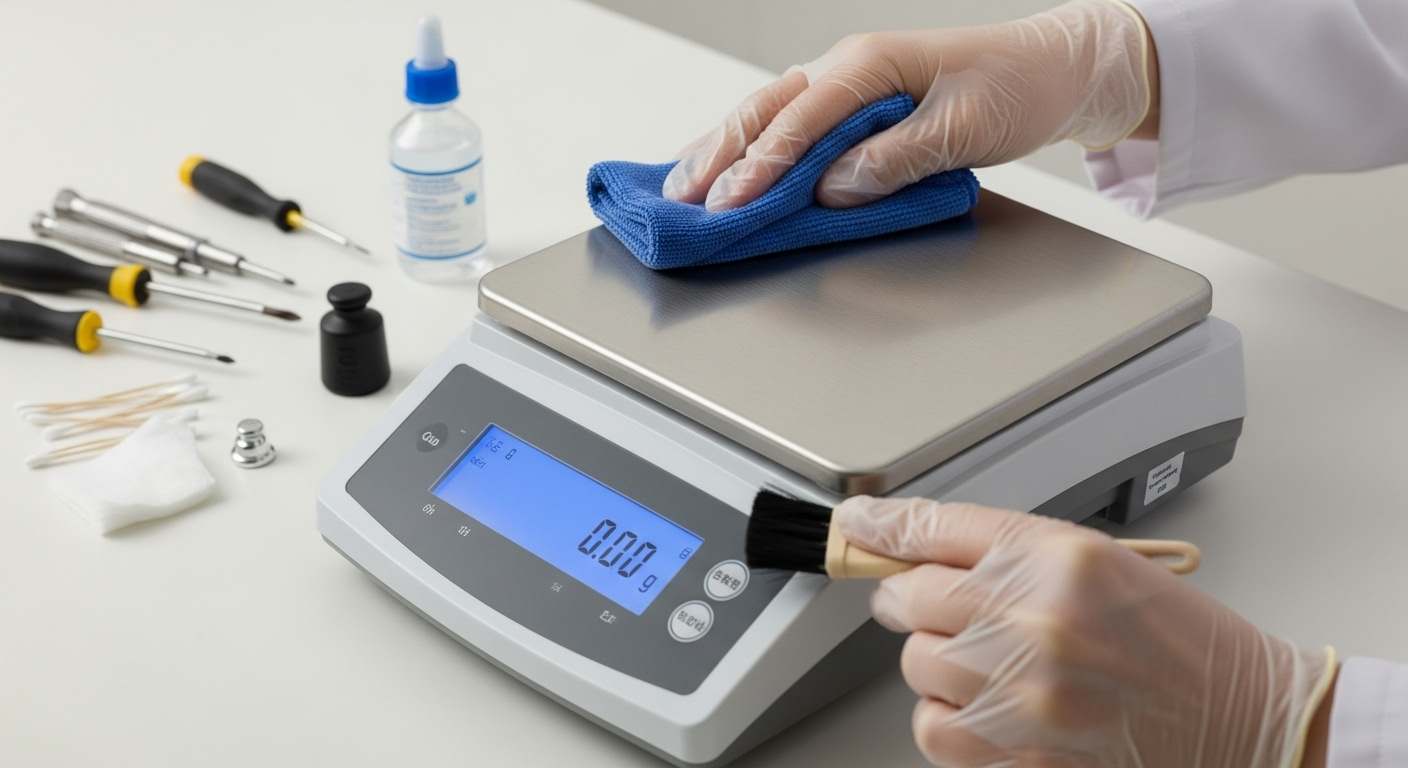
A weighing scale plays a direct role in daily work, home use, and business operations. You get clear results when the scale gives accurate readings. You face loss or confusion when the readings shift. Regular care keeps the scale stable and dependable. This guide explains simple steps that improve scale accuracy, prevent errors, and reduce the need for frequent scale repair service.
Why Regular Maintenance Matters
A weighing scale stays accurate only when you handle it with care. Dust, humidity, rough placement, and sudden drops can slowly affect its performance. Many users assume the scale is broken when the readings change, but most problems start from small issues. Cleaning the sensors, checking the batteries, and placing the device on a stable surface often solve the problem instantly. These simple habits help you maintain consistent results and keep the scale working the way it should.
Regular care also reduces unnecessary fixes, but when users face ongoing accuracy issues, a trusted Scale Repair Service becomes important. A reliable service checks internal components, calibrates the machine correctly, and restores proper function. This not only improves the lifespan of the device but also supports better day-to-day accuracy. Consistent maintenance and smart usage together keep your weighing scale dependable and limit long-term repair needs.
Types of Weighing Scales and Their Needs
Digital Weighing Scales
Digital scales depend on sensors. These sensors react to extra weight, dust, or shock. A digital scale must stay dry and level. It needs clean contact points and good batteries to keep readings stable.
Mechanical Weighing Scales
Mechanical scales use springs. Springs lose tension over time. This creates small reading mistakes. Periodic checks and light adjustments keep the spring working smoothly.
Industrial Weighing Scales
Industrial scales handle heavy weight. Dirt, heavy pressure, and uneven floors can disturb accuracy. These scales need inspection, cleaning, and calibration on a fixed routine.
Placement and Setup for Better Scale Accuracy
Keep the Scale on a Flat Surface
A weighing scale gives reliable results only when you place it on a firm and level surface. A soft floor, carpet, or uneven tile causes the platform to tilt. This shift changes the reading. Place the scale on a hard floor like cement, tile, or hardwood.
Avoid Airflow and Vibration
Air movement or vibration makes the reading unstable. Keep the scale away from fans, open windows, compressors, or machines that shake.
Keep the Scale in a Dry Area
Moisture enters sensors and reduces accuracy. Humidity also causes rust in mechanical parts. Store and use the scale in a dry place with steady temperature.
Clean Your Weighing Scale the Right Way
Use a Dry Cloth
Dust stops the sensors from working correctly. Clean the platform with a soft, dry cloth. Do not spray water directly on the scale.
Remove Dirt Under the Platform
Small dirt particles affect the movement of the load cell. Lift the scale gently and clean the bottom area once a week.
Avoid Harsh Chemicals
Strong cleaners damage the scale surface and enter the internal parts. Use mild cleaner only on the outer frame and keep liquids away from openings.
Battery and Power Management
Replace Weak Batteries
Low power creates unstable results. If the display flickers or the reading jumps from one number to another, change the batteries.
Use Good Quality Batteries
Cheap batteries leak often. Leakage damages the inner circuit. Always choose trusted batteries for steady power supply.
Check Battery Contacts
Remove the battery cover and look at the contacts. Clean rust or dirt from the metal points. Dirty contacts stop the current flow.
Calibration for Long-Term Scale Accuracy
Calibration keeps the scale reading correct. Even a small shift impacts performance.
Use Test Weights
Use certified weights to check reading accuracy. Place the test weight on the scale. If the reading does not match, your scale needs calibration.
Follow the User Manual
Most scales have a simple calibration button. Fill the required steps as written in the manual. Do not guess the process.
Call a Scale Repair Service When Needed
If your scale still gives unclear readings after calibration, contact a scale repair service. A trained technician adjusts sensors, fixes loose parts, and restores scale accuracy.
Handling the Scale Correctly
Avoid Overloading
Each weighing scale has a weight limit. When you place extra weight, the internal parts bend or break. This causes permanent damage and changes the readings.
Lift the Scale Gently
Do not drop or hit the scale. A short fall affects the load cell and internal frame.
Keep Heavy Items Off the Platform
Do not use the scale as a shelf or support. Place weight only when you want to measure it.
Common Issues That Affect Scale Accuracy
Fluctuating Numbers
The most common reason is uneven surface or low battery. Fix the base first, then check power.
Slow Response
Dust under the platform or low sensor connection makes readings slow. Clean the scale and restart it.
Zero Error
When the scale does not return to zero, the platform might carry extra dirt or light pressure. Remove the object, clean the platform, and reset the scale.
Inconsistent Results
If your scale gives different readings each time, the sensors may be loose. Contact a scale repair service for a proper check.
Extending the Life of Your Weighing Scale
Store the Scale Safely
When not using the scale, store it in a clean and dry place. Keep it away from heat, water, and heavy pressure.
Schedule a Routine Check
Make a simple monthly check plan. Clean the platform, check the batteries, test the accuracy, and inspect the surface.
Protect the Scale From Sharp Objects
Sharp items scratch the surface and disturb the balance. Keep such objects away from the weighing area.
When to Call a Professional Scale Repair Service
A professional service helps when the scale shows repeated errors, gives unstable results, or refuses to calibrate. They open the device, adjust internal parts, replace weak sensors, and ensure long-term scale accuracy. Calling a technician at the right time saves money and prevents full scale failure.
Tips for Business Users
Maintain a Log
Record each calibration date, repair date, and accuracy test. This record helps you track the performance.
Train Staff
Teach employees how to place items, clean the scale, and avoid mistakes. Good handling reduces damage.
Use the Correct Scale
Do not use a simple home scale for industrial jobs. Each scale type has a purpose. Using the right scale gives better accuracy and reduces repair needs.
Final Thoughts
A weighing scale stays accurate when you follow simple care steps. Clean the platform, check the batteries, and keep the scale on a firm surface. Test the accuracy often and fix small issues before they grow into large problems. These basic actions save time, reduce errors, and improve performance. If your scale still shows unclear readings, a trained scale repair service restores the device and keeps your scale accuracy strong for a long period.
 Every Hub