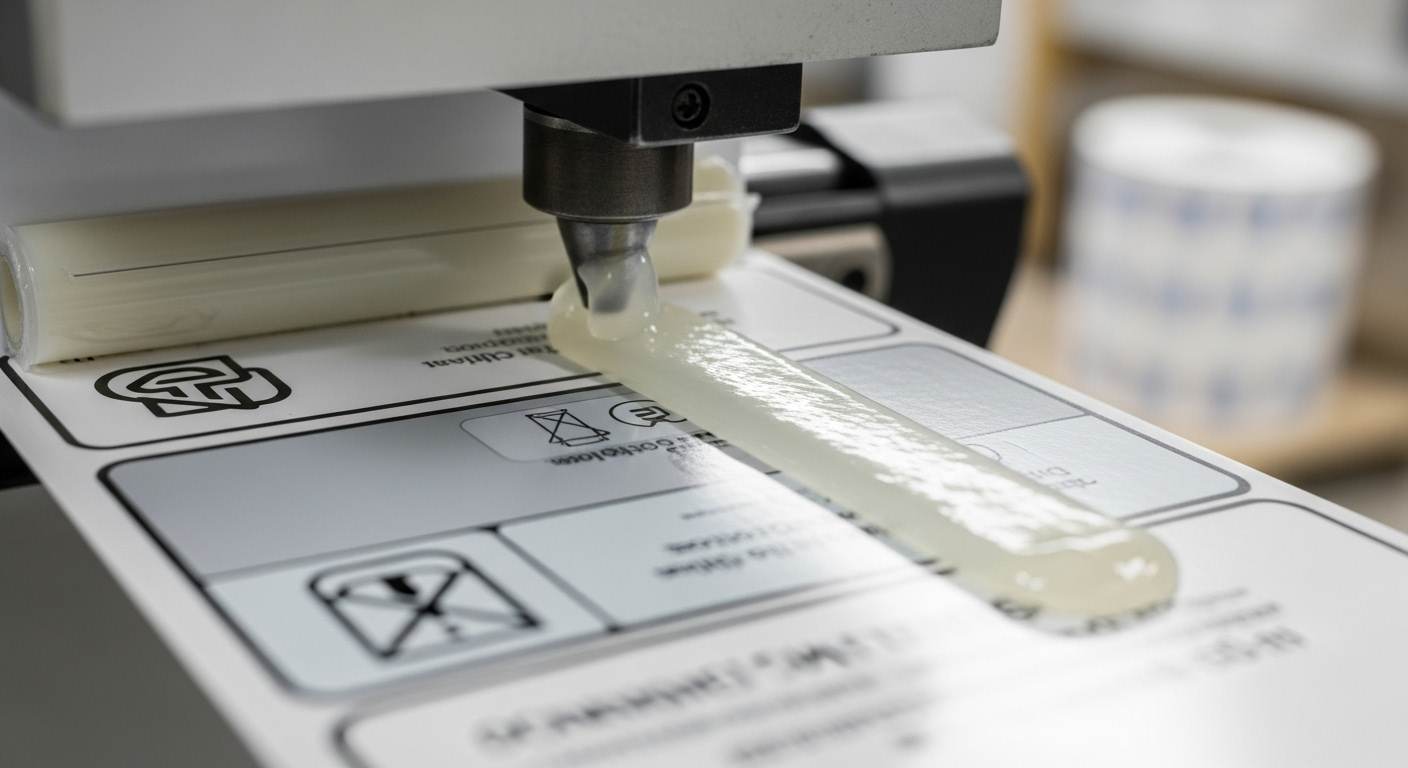
Adhesive printing plays a key role in label durability. Businesses depend on clear and stable labels for products, shipping, storage, and safety use. A strong label helps people read key information without damage or fading. This article explains how adhesive printing supports long-term label durability and why it matters for daily business use. The goal is to present clear, direct, and simple information that helps readers understand how both terms connect with each other.
What Label Durability Means
Label durability means a label stays secure, readable, and undamaged under normal and harsh conditions. A durable label does not peel off, fade, tear, smear, or lose color. A durable label keeps its print quality even if it faces pressure, moisture, sunlight, or temperature changes.
Strong label durability helps a product keep its identity from the time it is packed to the time it reaches the customer. It also supports safety, compliance, and accurate tracking.
Why Adhesive Printing Matters
Adhesive printing plays a major role in label durability because it helps the material bond tightly to different surfaces. When a label has a strong adhesive foundation, it stays fixed in place and does not shift, peel, or weaken over time. Brands such as Libra Labels, a leading supplier and manufacturer of self-adhesive labels in South Africa, often highlight how controlled adhesive application directly improves long-term performance. This type of precise bonding allows a label to stay clear, readable, and dependable even in demanding conditions.
In addition to stronger hold, adhesive printing uses a well-managed process that applies the correct adhesive layer along with the proper printing method. This balance ensures the label remains visually sharp while maintaining surface stability. By combining accurate adhesive control with high-quality printing techniques, the overall label structure becomes more resistant to wear, moisture, and extended use. This approach helps businesses achieve consistent labeling results that support both product presentation and long-term usability.
Types of Adhesives Used in Adhesive Printing
Pressure-Sensitive Adhesives
Pressure-sensitive adhesives stick to a surface with simple pressure. These are common in product labels, barcode labels, and packaging labels. They support label durability because they bond smoothly without heat, water, or other steps.
Hot Melt Adhesives
Hot melt adhesives use heat during application. They set quickly once cooled and provide strong grip. These adhesives work well for heavy-duty labels that need long-term stability or exposure to outdoor conditions.
Water-Based Adhesives
Water-based adhesives use water as the main carrier. They provide clean application, stable bonding, and good surface coverage. They help maintain label durability where long-term indoor use is needed.
How Adhesive Printing Supports Strong Bonding
Adhesive printing helps create a secure bond between the label and its surface. A label only performs well when it stays fixed and does not peel or crack. The adhesive printing process applies the right amount of adhesive so the label bonds evenly. This prevents weak spots that may cause peeling.
The Role of Surface Compatibility
Surface type affects label durability. Adhesive printing tests how the adhesive reacts to glass, plastic, metal, paper, or fabric. A label sticks longer when adhesive and surface match well.
For example:
- Smooth plastic may need a strong pressure-sensitive adhesive.
- Rough cardboard may need hot melt adhesive for firm grip.
Proper surface compatibility improves the life of the label.
How Adhesive Printing Protects Print Quality
Adhesive printing supports print clarity by keeping the label flat and secure. When a label does not shift or wrinkle, the printed text and graphics stay readable. This helps labels retain product details, safety instructions, barcodes, or QR codes.
A strong adhesive also prevents ink smearing caused by friction or movement.
Adhesive Strength and Environmental Resistance
Moisture Resistance
Moisture can weaken labels. Adhesive printing uses adhesives that resist water so the label stays durable in kitchens, warehouses, refrigerators, and outdoor areas.
Temperature Resistance
Warm or cold temperatures can loosen weak adhesives. Labels with proper adhesive printing stay stable in deep freezers, warm storage areas, or during transport across climate zones.
Chemical Resistance
Some labels face cleaning agents, oils, or industrial chemicals. Adhesive printing uses adhesives that protect labels from breaking down under such exposure.
How Adhesive Printing Helps in Packaging and Shipping
Shipping labels must survive long journeys, handling pressure, stacking, and climate changes. Adhesive printing helps labels stay intact on boxes, bags, and containers. This reduces risk of lost packages, unreadable barcodes, or delivery errors.
Label durability also prevents delays in scanning or tracking products.
The Connection Between Adhesive Printing and Product Safety
Many industries depend on proper labeling for safety, including food, medicine, cosmetics, and chemicals. A label with strong adhesive and stable print supports safe use.
If a safety label falls off, a user may not read warnings, instructions, or expiry dates. Adhesive printing keeps labels reliable so users depend on the information.
Cost Benefits of Improved Label Durability
Strong label durability reduces the need for reprinting, relabeling, or replacing damaged labels. This saves time, labor, and material cost.
Adhesive printing reduces waste because labels stay usable longer. Businesses also avoid errors caused by unreadable or missing labels.
How Adhesive Printing Helps in Branding
A product label is part of brand identity. Clear and stable labels help customers trust the brand. When labels last longer, colors stay sharp and text stays clean. Adhesive printing helps maintain label durability so branding stays consistent and professional.
This supports product value and creates a better customer experience.
Testing Label Durability
Companies test label durability by checking how long labels survive under different conditions. Common tests include:
- Peel tests
- Abrasion tests
- Moisture exposure tests
- Heat and cold tests
- UV light exposure tests
Adhesive printing must pass these tests to confirm that the label stays strong for its intended use.
Common Uses Where Label Durability Matters
Food Packaging
Labels must survive cold storage, humidity, and handling. Adhesive printing helps keep labels secure and readable on jars, bottles, bags, and boxes.
Logistics and Shipping
Packages travel through many hands and locations. Label durability ensures tracking codes remain readable.
Medical and Pharmaceutical Items
Labels on medical items contain critical information. Adhesive printing prevents label errors through strong bonding and print stability.
Industrial and Outdoor Use
Tools, equipment, and outdoor items need labels that resist heat, sunlight, and chemicals. Strong adhesive printing makes this possible.
Tips for Choosing the Right Adhesive Printing for Label Durability
- Match adhesive type with surface type.
- Check environmental conditions where the label will be used.
- Use adhesives that resist moisture, heat, and chemicals if needed.
- Select print materials that support long-term clarity.
- Test samples before large-scale production.
These steps help maintain label durability and reduce common label issues.
How Technology Improves Adhesive Printing
Modern adhesive printing uses advanced coating systems and precise pressure control. This improves adhesive distribution and bonding strength. Machines apply adhesive in even layers that prevent bubbles and weak points.
Digital printing also supports high-quality images, sharp text, and stable colors, which help labels stay clean and readable for long periods.
Conclusion
Adhesive printing plays a strong role in label durability. It helps labels stay secure, clear, and stable in many conditions. A durable label protects product identity, improves tracking, supports safety, and strengthens branding.
By choosing the right adhesive type, testing surfaces, and applying controlled printing methods, businesses can improve label life and reduce waste. Label durability and adhesive printing work together to support clear communication and long-term performance for every labeled product.
 Every Hub