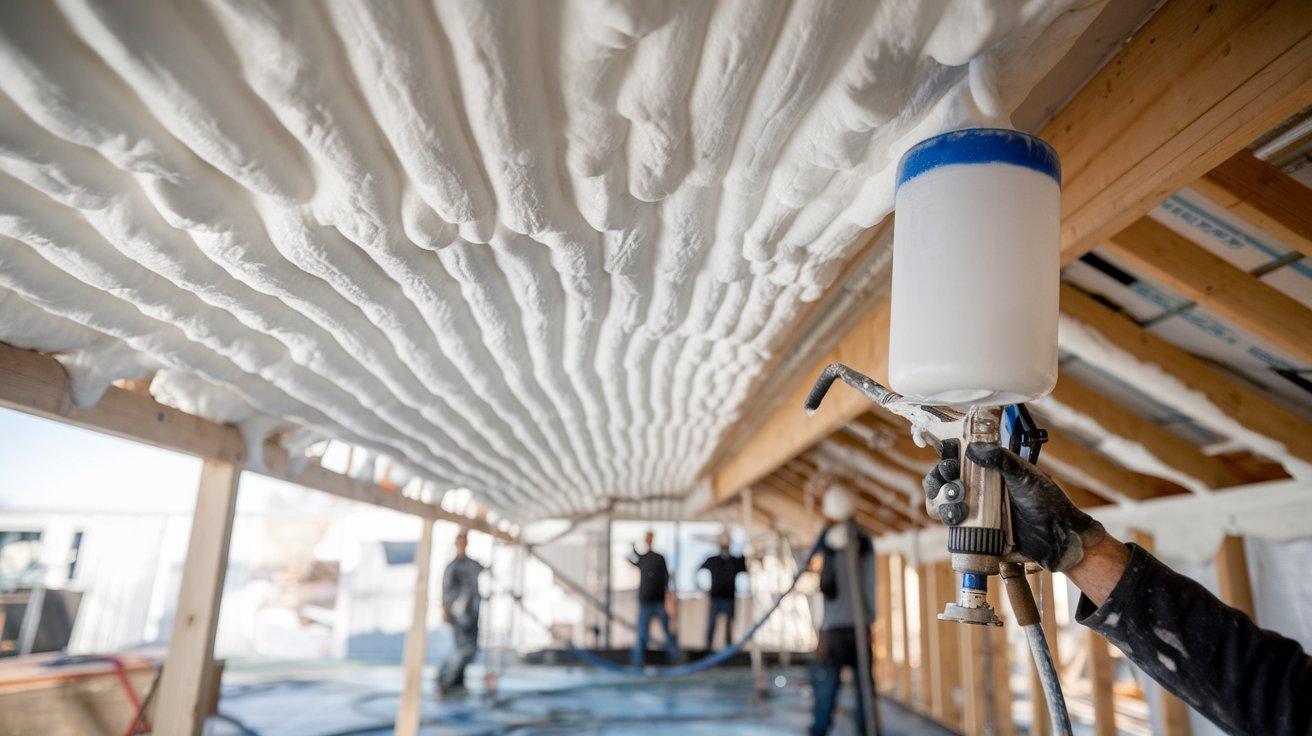
Energy efficiency is a cornerstone of modern home design, and insulation plays a critical role in achieving it. Among various insulation options, spray foam stands out for its superior thermal performance, measured by its R-value. The R-value indicates the material’s resistance to heat transfer, making it a key factor in determining energy efficiency.
In this article, we’ll explore how spray foam R-values influence energy efficiency, compare them with other insulation types, and explain why understanding R-values is crucial for maintaining comfortable and cost-effective homes.
1. What Is R-Value in Insulation?
Definition of R-Value
R-value measures the thermal resistance of an insulation material. The higher the R-value, the better the material is at preventing heat transfer, keeping homes cooler in summer and warmer in winter.
Spray foam insulation has two main types: closed-cell and open-cell foam. Each type has different R-values and applications, making them suitable for diverse needs.
Importance of R-Value
In regions with extreme temperatures, like humid Singapore or temperate climates, higher R-values can significantly reduce energy consumption by maintaining stable indoor temperatures.
2. Types of Spray Foam and Their R-Values
Closed-Cell Spray Foam
Closed-cell spray foam has a high R-value of approximately 6 to 7 per inch. Its dense structure makes it an excellent insulator and a barrier against moisture and air infiltration. Learn more about the Closed-cell spray foam from this website: https://epicsprayfoam.com/blog/what-is-the-r-value-of-spray-foam/
- Best Uses: Roofs, exterior walls, and basements where both insulation and moisture resistance are priorities.
- Advantages: Superior thermal resistance, structural strength, and water repellency.
Open-Cell Spray Foam
Open-cell spray foam has a lower R-value of about 3.5 to 4 per inch. It’s softer and less dense but offers excellent soundproofing and air-sealing properties.
- Best Uses: Interior walls, ceilings, and areas where sound absorption is essential.
- Advantages: Cost-effective, flexible, and ideal for hard-to-reach spaces.
3. How Spray Foam R-Values Enhance Energy Efficiency
Reducing Heat Transfer
High R-value spray foam minimizes heat transfer through walls, roofs, and floors, maintaining consistent indoor temperatures. This reduces the need for heating or cooling, lowering energy bills.
For example, closed-cell spray foam in an attic can prevent hot air from entering during summer, reducing the strain on air conditioning systems.
Sealing Air Leaks
Spray foam expands upon application, filling gaps and cracks that allow air infiltration. By combining high R-values with air-sealing properties, spray foam creates an effective thermal envelope around your home.
4. Comparing Spray Foam with Other Insulation Types
Fiberglass Insulation
Fiberglass insulation has an R-value of about 2.2 to 2.7 per inch, significantly lower than closed-cell spray foam. While it’s cost-effective, it doesn’t seal air leaks or provide moisture resistance.
- Drawback: Susceptible to sagging and mold in humid environments.
Cellulose Insulation
Cellulose has an R-value of approximately 3.5 per inch. While it’s eco-friendly and effective, it lacks the air-sealing capabilities of spray foam.
- Drawback: Requires additional vapor barriers in moisture-prone areas.
5. Benefits of High R-Value Spray Foam Insulation
Energy Savings
Homes with high R-value spray foam insulation experience lower energy costs due to reduced heating and cooling demands. Over time, the savings offset the initial investment in spray foam.
Enhanced Comfort
By maintaining consistent indoor temperatures, high R-value spray foam eliminates cold spots and drafts, creating a more comfortable living environment.
Environmental Impact
Energy-efficient homes contribute to reducing carbon footprints. High R-value insulation minimizes reliance on HVAC systems, lowering greenhouse gas emissions.
6. Factors Influencing R-Value Performance
Thickness of Insulation
The R-value of spray foam increases with its thickness. For optimal performance, ensure proper application by certified professionals who can achieve the recommended thickness for your climate zone.
Installation Quality
Incorrect installation can compromise the R-value of spray foam. Professional installation ensures uniform coverage and eliminates gaps that reduce thermal resistance.
7. Choosing the Right Spray Foam for Your Home
Consider Climate and Application
Homes in colder climates may benefit more from closed-cell spray foam due to its higher R-value, while open-cell foam is suitable for interior applications in moderate climates.
Consult an Expert
A professional insulation contractor can assess your home’s needs and recommend the right spray foam type and thickness to maximize energy efficiency.
8. Maximizing Energy Efficiency with R-Value Knowledge
Combine Spray Foam with Other Strategies
Pairing high R-value spray foam with energy-efficient windows, doors, and ventilation systems can further enhance your home’s energy performance.
Regular Inspections and Maintenance
Over time, inspect your insulation for signs of wear or damage. Regular maintenance ensures consistent performance and extends the lifespan of your spray foam insulation.
Conclusion
Spray foam insulation, with its superior R-values, plays a pivotal role in enhancing energy efficiency in homes. By reducing heat transfer, sealing air leaks, and offering long-lasting performance, it provides both immediate and long-term benefits.
Understanding the R-value of spray foam and choosing the right type for your home’s needs ensures a comfortable living environment, lower energy bills, and a reduced environmental footprint. Investing in professional installation and proper maintenance can help you harness the full potential of spray foam insulation, making it a wise choice for energy-conscious homeowners.
 Every Hub